If you’re running a farm, landscaping biz, or even a big backyard full of stubborn weeds, 2,4-D is one of the workhorse herbicides you’ll reach for. But let’s be real—mixing it wrong isn’t just a waste of product; it can mess up nearby plants, hurt your sprayer, or even get you in trouble with local rules. I’m Jake, and I’ve spent the last 8 years fixing sprayer messes for folks just like you—plus I run the shop that sells the mixing sprayers I swear make this whole process 10x less annoying. Today I’m breaking down exactly how to mix 2,4-D in your sprayer, no fancy PhD required, plus the mistakes I see people make every single time. Mixing Sprayer
First, let’s get the basics out of the way. 2,4-D isn’t one-size-fits-all. You’ve got liquid concentrates (the most common for residential and small commercial use) and sometimes powdered formulations, but we’re gonna focus on liquid here ‘cause that’s what 90% of people grab. The first non-negotiable step? Check the label. I can’t stress this enough—every 2,4-D product has specific rates, timing, and mix instructions printed right on it. I’ve had a guy come to me last year mixing double the label rate ‘cause “more weed killer equals more weeds dead”… and he ended up killing half his neighbor’s apple tree. Oops. The label’s your bible here—ignore it at your own risk.
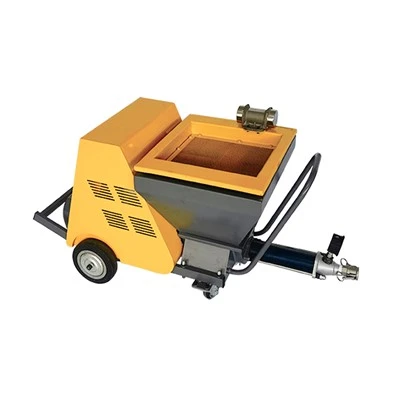
Next, you need your sprayer, obviously. Not just any sprayer—mine’s the mixing sprayer that has a built-in agitator, ‘cause let’s be real, 2,4-D concentrate can settle at the bottom if you don’t keep it moving. If you’re rocking a basic garden sprayer, that works, but a good mixing sprayer takes the guesswork out of keeping the mix uniform. But before you add anything to the sprayer, give it a quick rinse if you used it for something else—like fungicide or fertilizer. Residue from other stuff can react with 2,4-D, make it less effective, or even clog your nozzle. I once had a customer whose sprayer was clogged solid with leftover fertilizer, so he ended up spraying nothing on his weeds. Total waste of a weekend.
Now, the mixing order. This is the part where people mess up bad. You can’t just dump all the 2,4-D in first— that’ll cause it to clump or mix unevenly, and you’ll end up with some parts way too strong and some parts useless. Let’s break it down step by step, using the mixing sprayer I sell as an example (but this works for any sprayer, honestly):
-
Fill your sprayer about 1/3 full with clean water first. This is non-negotiable. Adding water first gives you something to mix the concentrate into, so it doesn’t hit the walls or settle immediately. If you add 2,4-D first, it’ll stick to the bottom and sides, and you’ll never get it all out, plus it won’t mix right.
-
Turn on your agitator (or start your sprayer’s pump, if it’s a smaller model) and let that water start swirling. This is where a mixing sprayer shines—our inline agitator keeps the water moving smoothly without any lumps or dry spots. If your sprayer doesn’t have an agitator, gently stir with a clean stick for a minute—just don’t skip this part.
-
Measure your 2,4-D concentrate correctly. Use a clean measuring cup or graduated cylinder, and make sure it’s the right amount per gallon of water, per the label. For example, if the label says 2 ounces of 2,4-D per gallon of water, and your sprayer holds 10 gallons, that’s 20 ounces total. Don’t guess—eyeballing leads to either waste or damage. Pro tip: I always use a measuring cup I only use for herbicides, so I don’t accidentally use it for food later. That’s a messy story I won’t get into.
-
Slowly pour the measured 2,4-D into the swirling water. Don’t dump it all at once. Pouring slowly lets it mix in evenly instead of sinking to the bottom. If you’re using a powdered 2,4-D (rare, but possible), dissolve it in a small bucket of warm water first before adding it to the sprayer—powders clump like crazy if you just dump ‘em in.
-
Once the 2,4-D is fully mixed in, keep the agitator running, and top off the sprayer with the rest of the water. Stop before it’s completely full, though—leave a little headspace, like 10% of the tank, so the mixture doesn’t slosh out when you’re carrying it or pumping it. If you overfill it, you’ll make a mess, and no one wants herbicide on their shoes or driveway.
-
Give it one final stir or run the agitator for another 30 seconds before you start spraying. This ensures everything’s still mixed, ‘cause even with the best mixing sprayers, a little settling can happen if you wait too long between mixing and spraying.
Now, let’s talk about the big mistakes I see people make all the time. First, skipping the rinse step. If your sprayer had any leftover chemicals in it, that’s a recipe for disaster. Last month, a customer used his sprayer to kill weeds, then a week later used it to spray his tomato plants with insecticide. The leftover 2,4-D messed up his tomatoes so bad they curled up and died. Never mix different chemicals in the same sprayer without a full rinse, and even then, it’s better to have separate sprayers for different jobs.
Second, not calibrating your sprayer. This is huge, especially if you’re doing a big lawn or commercial property. If your sprayer is spraying too much or too little, you’ll either waste 2,4-D, kill desirable plants, or have leftover herbicide that seeps into the ground. Calibrating is simple: fill your sprayer with water, spray a 1,000 square foot area, measure how much water you used, and adjust the nozzle pressure or speed accordingly. Our mixing sprayers have easy calibration guides right on the tank, so you don’t have to hunt for it.
Third, mixing in the wrong temperature. 2,4-D works best when temps are between 60 and 85 degrees Fahrenheit. If it’s too hot (over 90), it can evaporate before it hits the weeds, which means it’s useless. If it’s too cold (under 50), the weeds aren’t actively growing, so the 2,4-D won’t be absorbed. I once tried spraying 2,4-D in 45 degree weather and it did almost nothing—wasted a whole bottle. Now I check the weather app every morning before I mix.
Another thing: safety. 2,4-D is a chemical, so you can’t just mess around with it. Wear gloves, long sleeves, goggles, and a mask when you’re mixing it. Even liquid concentrate can irritate your skin or eyes, and the fumes aren’t great to breathe in. I’ve had a friend skip the goggles and get 2,4-D in his eye—he spent the afternoon flushing it out with water, and it was not fun. Don’t be that guy. Also, keep kids and pets away from the mixing area while you’re prepping, and store the 2,4-D and sprayer in a locked cabinet when you’re done.
Wait, what about leftover mixture? If you have 2,4-D left over after mixing, don’t just dump it down the drain or in the yard. Check your local rules—most places say you have to take leftover herbicide to a hazardous waste facility. Pouring it down the drain can mess up water systems, and dumping it in the yard can kill plants you didn’t mean to. I keep a sealed bucket in my garage for leftover chemicals until I can drop them off—our mixing sprayer’s tank has a easy drain valve that lets you pour out whatever’s left without making a mess.
Now, why use a mixing sprayer instead of a regular one? Let’s be real—basic garden sprayers work, but they require constant stirring to keep 2,4-D from settling. That means you’re standing there with a stick stirring while the rest of your mix settles again. A good mixing sprayer has a built-in agitator that runs off the pump, so the mix stays uniform the whole time you’re spraying. No more lopsided spraying, no more clogging from settled 2,4-D, and less time babysitting your sprayer. I’ve sold these for years, and 9 out of 10 customers come back saying it cut their prep time in half, and they had way fewer issues with their sprayer.
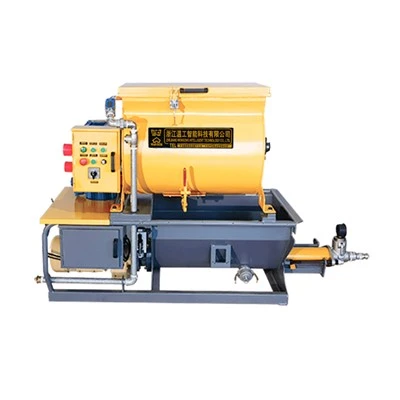
If you’re not sure if your sprayer is set up right for 2,4-D, or you want to upgrade to a mixing sprayer that makes this whole process as easy as possible, hit us up. We can help you pick the right size for your yard or property, answer any questions about mixing, and even walk you through calibrating your sprayer. Whether you’re a homeowner doing a small lawn or a landscaping pro with 10 acres, we’ve got the gear that works for you. Don’t mess up your weeds (or your neighbor’s plants) because of a bad mix—get the right sprayer, follow the steps, and you’ll have a weed-free yard in no time.
UHPC Mixer References
- University of California Statewide Integrated Pest Management Program. (2022). "2,4-D Herbicides: Mixing, Application, and Safety Guidelines." UC ANR Publication 3441.
- Environmental Protection Agency. (2021). "Herbicide Mixing and Handling Best Practices for Small-Scale Applications." EPA Office of Pesticide Programs.
- Extension Toxicology Network. (2020). "Technical Fact Sheet: 2,4-D Pesticide." EXTOXNET Publication.
Zhejiang Wengong Intelligent Technology Co., Ltd.
Zhejiang Wengong Intelligent Technology Co., Ltd. is one of the most professional mixing sprayer manufacturers and suppliers in China. With abundant experience, we warmly welcome you to buy durable mixing sprayer made in China here and get quotation from our factory. Quality products and reasonable price are available.
Address: No.111 Huakang Road, Liuao Village, Qiaoxia Town, Yongjia County, Wenzhou City, Zhejiang Province, China
E-mail: sales007@cngcjx.com
WebSite: https://www.wallgoe.com/
