Hey guys, let’s cut to the chase—if you’re a tech person, electrician, or even just someone who’s ever stared at a double socket connector that stopped working mid-project, you’ve probably wondered: Can this thing actually be fixed, or am I tossing it in the junk bin? As a double socket connector supplier, I get this question all the time—so let’s break it down like we’re hanging out at a trade show coffee break, no fancy jargon. Double Socket Connector
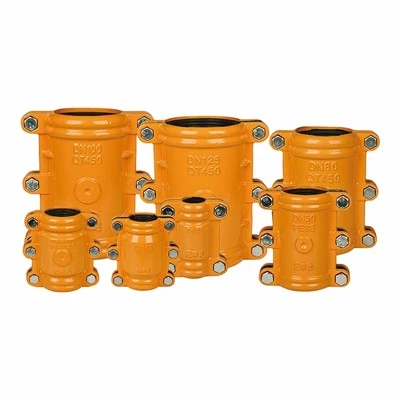
First, let’s get on the same page about what we’re even talking about here. A double socket connector is that little two-port (usually) component that lets you plug in two devices at once—think power cords, Ethernet cables, low-voltage automotive stuff, even some audio gear. They’re super common, which means they break all the time. But before you run to buy a new one, let’s talk about when repair is possible, when it’s not, and what you need to know if you try to fix it yourself.
Let’s start with the stuff that can be fixed. Most of the time, the issues aren’t with the actual plastic shell or the metal contacts—wait, no, actually, the metal contacts are the big ones. If your double socket connector has a loose pin inside, or a frayed wire that’s coming off the terminal, that’s fixable. The plastic housing? If it’s just a small crack (not shattering into pieces), that’s usually okay too. Let’s use a real example: Last month, a regular customer of mine—he’s a freelance electrician out in Chicago—sent me a message saying he’d fixed 12 broken double socket connectors for a job site, instead of buying new ones, and saved his client like $400. How? He noticed the wires had just pulled loose from the crimp terminals inside. Those are the little metal bits that clamp onto the wire to make a connection. He stripped a half-inch of insulation, crimped new terminals on, and popped them back into the socket. That’s basic stuff, and it works.
But wait, let’s not sugarcoat it—there’s a line you can’t cross. If the metal contacts are bent so bad they’re snapped off, or the plastic housing is cracked so wide that wires are exposed (hello, safety hazard), or the connector’s been submerged in water and corroded? Don’t even bother. That’s not a repair—that’s a fire waiting to happen. And no, you can’t solder a broken contact back on, by the way. Those connectors use crimp terminals for a reason—soldering would overheat the plastic shell and melt it, not to mention it’s way less reliable. I’ve seen people try, and it ends up with the connector dying a week later, and their client mad they wasted money on a bad fix.
Now, if you’re not super handy with crimpers or soldering, what’s the alternative? Can a professional fix it? Yeah, most of the time. I work with a small electronics repair shop in Austin that specializes in low-voltage connectors, and they fix double socket connectors all the time. They’ve got the right tools to straighten bent pins, replace broken terminals, even patch small cracks in the housing with industrial epoxy that’s rated for electrical use. The cost? Usually like $5 to $10 per connector, which is way cheaper than buying a brand new one—especially if you’ve got a bulk order or a connector that’s custom-made (we do custom double socket connectors, by the way, so if your broken one is a weird size, that’s extra reason to fix it instead of replacing it).
But let’s talk about the stuff I as a supplier want you to know—because I see a lot of people make mistakes that make repair impossible. First, never yank the plug out by the cord. That’s the #1 reason double socket connectors break. I can’t tell you how many times a customer sends back a broken connector and says, “I just pulled the cord too hard,” and the wire’s pulled out of the terminal or the plastic’s cracked. Small habit, big problem. Second, don’t force a plug into the socket. If it doesn’t click, don’t jam it—you’ll bend the pins inside, and that’s a quick trip to the trash. Third, keep them away from moisture. Even low-voltage ones can corrode if they get wet, and corrosion is permanent.
Wait, another thing: Some people think “repair” means taping it up and calling it good. No. Electrical connectors need a solid, safe connection. Duct tape or electrical tape wrapped around a frayed connector isn’t a repair—it’s a temporary band-aid. It might work for a day, but it’ll fail, and could cause a short. If you’re going to fix it, do it right. Crimp the terminals, straighten the pins, make sure the housing is secure. If you don’t have the tools, pay a pro—it’s worth it.
Now, what if you have a broken double socket connector and you’re not sure if it’s fixable? Hit me up. I’m not just a supplier—I’m a guy who’s been in this game for 10 years, so I can tell you if it’s worth fixing or if you should grab a new one. I’ve got a huge inventory of standard double socket connectors, and I can even help you customize one if you need a specific size or rating. At the end of the day, we all want to save money, and fixing a connector is way better for the environment than tossing it. But safety comes first—if it’s too far gone, don’t risk it.
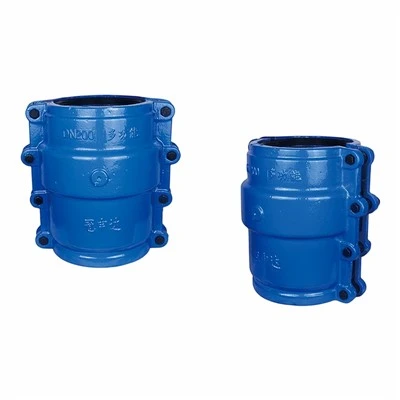
If you’ve got a broken double socket connector lying around, ask yourself: Are the wires still attached? Are the pins just bent, not broken? Is the plastic intact enough to hold everything together? If yes, give it a shot, or send it to a pro. If no, it’s time to replace it. And if you need a new one, or you want to talk about bulk orders for your job, reach out. I’m here to help, not just sell connectors.
Straight Repair Clamp References
- National Electrical Code (NEC) 2023 Article 400: Flexible Cord and Cable Routing
- Electronic Components Industry Association (ECIA) Standard RS-310: Connector Crimp Terminal Best Practices
- U.S. Consumer Product Safety Commission (CPSC) Report on Electrical Connector Failures
Fujian Fufa Valve Manufacturing Co., Ltd.
As one of the most professional double socket connector manufacturers and suppliers in China, we’re featured by quality products and good price. Please rest assured to buy durable double socket connector made in China here from our factory. Welcome to view our website for more information.
Address: Meilin Xikou Industrial Zone, Nan’an City, Quanzhou City, Fujian Province
E-mail: hongwenjin@fufafamen.cn
WebSite: https://www.fufavalve.com/
