When I first started working with melamine faced chipboard (MFC) as a supplier, one of the most common questions I heard from carpenters, cabinet makers, and DIY enthusiasts was, “Can you actually use a router on this stuff?” For years, I’d watched folks approach the question with a mix of curiosity and caution—some had had bad experiences with tear-out or burnt edges, others had been told MFC was too fragile for routing. After guiding hundreds of tradespeople through projects ranging from custom kitchen cabinets to built-in bookshelves, I’m here to set the record straight: yes, you can use a router on MFC, but it’s not as simple as grabbing any bit and turning it on. As someone who’s spent 12 years supplying MFC to small workshops and big construction sites across the region, I’ve learned that success with routing MFC comes down to understanding the material, choosing the right tools, and taking a few simple precautions. Let’s break this down so you can get clean, professional results every time. Melamine Faced Chipboard
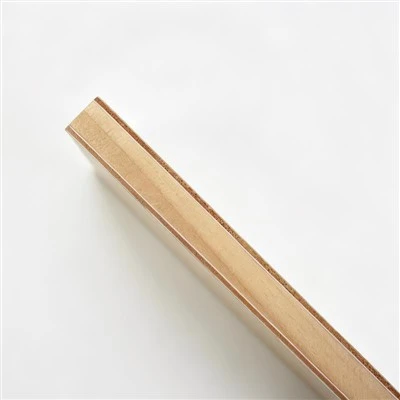
First, let’s talk about what MFC actually is, because that’s where a lot of the confusion starts. Melamine faced chipboard is made from compressed wood chips that are mixed with resin and pressed under extreme heat and pressure to form a solid, rigid core. Then, a thin layer of melamine resin is applied to both faces—this is the hard, smooth, scratch-resistant surface that makes MFC so popular for furniture, cabinetry, and interior fixtures. The melamine layer is what makes MFC stand out from raw chipboard or plywood: it’s durable, low-maintenance, and doesn’t require painting. But that same hard, brittle melamine surface is also what causes most routing issues. Unlike solid wood, which has fibers that tear gradually as a router bit cuts through, the melamine layer is a non-wood material that breaks off in sharp chips if you’re not careful. That’s why so many people end up with ragged edges, burnt plastic, or chipped corners when they route MFC.
Over the years, I’ve seen new carpenters make the same mistakes over and over. Most reach for a standard straight bit they use for pine or oak, crank up the router speed, and cut too fast. What happens next is predictable: the melamine layer splinters, leaving a rough edge that requires hours of sanding to fix. I had a customer last year, a small cabinet maker in Portland, come to me with a stack of 30 sheets of MFC that had all been ruined because he tried to route edges the same way he did for solid maple. He was ready to throw the whole lot away, but we sat down and walked through his process, and within an hour, he had his router sorted out and re-cut all the pieces with clean edges. That’s the thing about MFC: once you understand its quirks, it’s actually a very stable material to work with, even for routing.
Let’s start with the most important part: choosing the right router bit. I can’t stress this enough—using the wrong bit is the #1 cause of bad results when routing MFC. You want a bit that’s designed for laminates or melamine, not one meant for softwood or solid wood. What sets these bits apart? First, they have a high number of flutes. A standard straight bit might have 2 flutes, but a good melamine routing bit has 3 or 4 flutes. More flutes mean the bit cuts more material with each spin, reducing tear-out because it’s removing small, clean chips rather than prying out large chunks of melamine. Second, the cutting edges are made of carbide, not high-speed steel (HSS). Carbide is harder and sharper, so it cuts through the dense melamine layer without heating up as much, which reduces the risk of burning the plastic surface. Third, look for bits with a “triple-faceted” or “trimming” tip on the leading edge. This little design feature helps score the melamine layer before the main part of the bit cuts through the chipboard core. Scoring prevents the melamine from splintering along the exit edge of the cut, which is where almost all tear-out happens. I always tell customers to invest in a good quality carbide-tipped laminate bit—cheap HSS bits will dull in minutes when they hit melamine, leading to rough cuts and wasted material.
Next, router speed and feed rate matter just as much as the bit. Melamine is a dense, hard material, so running your router too slow will cause the bit to burn and grab at the surface, while running it too fast can also lead to tear-out because the bit is moving too quickly to make clean cuts. Most modern routers have variable speed settings, and for MFC, you want to run it at a higher speed than you would for solid wood. Aim for around 18,000 to 25,000 RPM, depending on your router’s power. If you have a lower-power router (under 1.5 HP), stick to the lower end of that range, because high RPM on a weak router can cause the bit to vibrate, leading to uneven cuts. When it comes to feed rate, you want to let the bit do the work—don’t force the router through the material. Move the router steadily along the line of your cut, keeping pressure light and consistent. If you feel the bit binding or hear a high-pitched whine, you’re moving too fast. Slow down a little, and you’ll get a smoother cut.
One trick I’ve shared with countless customers over the years is using a backer board when routing edges of MFC. This is especially important if you’re routing through cuts, where the bit will exit the back of the material. Without a backer board, the melamine layer on the exit side will often tear out as the bit pushes through, because there’s no support holding the chipboard core together. A simple backer board made from a piece of scrap MFC, plywood, or even hardboard works perfectly. Clamp it securely to the back of your MFC sheet, right along the line of your router cut. As the bit cuts through, the backer board supports the underside of the material, so the melamine breaks cleanly rather than splintering. I once had a customer who was building a set of large floating shelves, and he was frustrated because every back cut had a 1/8-inch tear-out that ruined the look. After adding a backer board, he told me he got such clean edges he didn’t even need to sand them. It’s a small step, but it makes a huge difference for through cuts.
Another thing to keep in mind is the type of cut you’re making. For most cabinet edges or trim work, you’ll be doing an edge profile cut, like rounding over a corner or cutting a bead. For these cuts, the same rules apply, but you might also want to take multiple shallow passes instead of one deep cut. Routing a full ½-inch edge profile in one pass can put too much stress on the bit and cause tear-out, especially if you’re working with a thicker piece of MFC. Instead, make your first pass 1/8 to 3/16 inches deep, then make a second pass to reach your full desired depth. This is gentler on the bit, reduces the amount of material being removed at once, and leads to a much cleaner edge. I always recommend this for first-time MFC router users—start with shallow passes until you get a feel for how the material reacts.
Now, let’s talk about common myths I hear all the time as a MFC supplier. One myth is that you can only use a laminate trimmer (a small, handheld router) on MFC, not a full-size router. That’s not true—full-size routers with more power can actually give better results for larger cuts, as long as you use the right bit and speed. Another myth is that routing MFC will release harmful fumes. When you cut or route MFC, some small amounts of formaldehyde can be released, but modern MFC that meets industry standards (like CARB Phase 2 or EPA TSCA Title VI) has very low formaldehyde emissions, well within safe limits. That said, it’s still a good idea to work in a well-ventilated area and wear a dust mask, just like you would with any wood product. The dust from routed MFC is fine, so a dust mask will protect your lungs, and a dust collector will keep your workspace clean.
I remember a time early in my career when I supplied a batch of MFC to a customer who tried to route it without any of these precautions. He called me in a panic, saying the material was “unusable” and that he wanted a full refund. When I went to his workshop to look at the project, I saw he’d used a dull HSS bit, run his router at low speed, and tried to cut ¼ inch deep in one pass. The edges were full of chipped melamine, and the surface had burnt black marks from the bit rubbing too hard. I walked him through the steps we’ve covered here—swapping his bit for a carbide laminate bit, setting the router to 20,000 RPM, using shallow passes, and adding a backer board. He re-cut the pieces that same day, and when he brought the finished cabinet over a week later, the edges were so clean you could barely tell they’d been routed. That moment stuck with me: MFC isn’t a “difficult” material to route—it just needs the right approach.
As a MFC supplier, I’ve also learned to recommend specific grades of MFC for routing, because not all melamine faced chipboard is the same. We stock a range of MFC sheets, from economy grades for general construction to high-density, high-sheen grades designed for fine cabinetry. If a customer tells me they’re planning to route edges for a custom kitchen, I’ll suggest our high-density industrial grade MFC, which has a denser chipboard core and a thicker melamine layer that holds up better to routing. For DIY projects where routing isn’t the main focus, our standard residential grade works perfectly too, as long as you follow the right steps. The takeaway here is that not all MFC is created equal—choosing the right grade for your project will make routing much easier and give you better results.
Let’s wrap this up with a quick checklist to keep on hand when you’re ready to route MFC: 1. Use a carbide-tipped laminate or melamine-specific bit with 3 or 4 flutes. 2. Set your router speed to 18,000–25,000 RPM (higher than you’d use for solid wood). 3. Take multiple shallow passes (1/8–3/16 inch each) instead of one deep cut. 4. Use a backer board for all through cuts to prevent exit-side tear-out. 5. Feed the router steadily, letting the bit do the work—don’t force the cut. 6. Wear a dust mask and work in a well-ventilated space. If you follow these steps, you’ll get clean, professional-looking routed edges that will last as long as the MFC itself, which is one of the reasons our customers love this material for furniture and cabinetry.
At the end of the day, the question “Can you use a router on melamine faced chipboard?” boils down to this: yes, you absolutely can—you just have to work with the material, not against it. I’ve been in this industry for over a decade, and I’ve seen everything from first-time DIYers routing their first bookshelf to master cabinet makers using MFC for high-end custom work. The common thread between all successful projects is that they take the time to learn how MFC works. It’s a versatile, cost-effective material that’s perfect for so many projects, and routing is just one of the many things you can do with it when you have the right tools and knowledge.
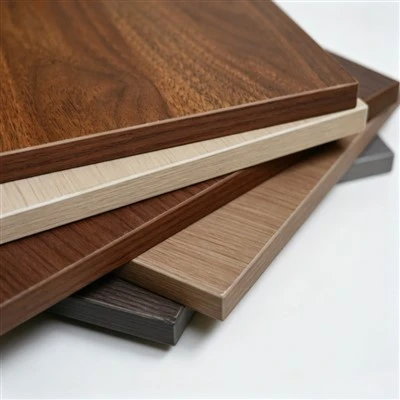
If you’re planning a project that involves routing MFC and you’re not sure which grade is right for you, or you need recommendations for router bits or supplies, don’t hesitate to reach out. Our team has years of experience working with MFC and can help you pick the right material and tools for your specific needs. Whether you’re a small cabinet maker looking to refine your process or a DIY enthusiast tackling your first big project, we’re here to help you get the best results from your MFC. Let’s work together to make your next project a success.
Melamine Blockboard References
- Woodworking Network. (2021). Working with Melamine-Coated Particleboard and MDF: Tips for Success. Retrieved from industry woodworking publications
- American Wood Council. (2020). Formaldehyde Emissions Standards for Wood-Based Products. Retrieved from wood product safety resources
- Router Bit Manufacturer. (2022). Guide to Bits for Laminate and Melamine Cutting. Retrieved from cutting tool technical documentation
Jiangshan Shunlong Wood Industry Co., Ltd.
As one of the most professional melamine faced chipboard manufacturers and suppliers in China, our products have good reputation in the market. Please feel free to wholesale bulk melamine faced chipboard in stock here and get quotation from our factory. We also accept customized orders.
Address: No.7 Jinfeng Road, Jintangshan Industrial Zone, Hecun Town, Jiangshan City, Quzhou City, Zhejiang Province
E-mail: 17858202655@163.com
WebSite: https://www.shunlongwood.com/
