If you’ve ever used a pressure washer to clean a grimy patio, caked-on mud off a bike, or even gunk from the side of a building, chances are you’ve heard the term “plunger pump” thrown around. But what exactly is it, and why does it matter so much for those machines? Let’s break this down like we’re chatting over a coffee—no confusing jargon, just straight talk from someone who’s been supplying these pumps for years. Plunger Pump
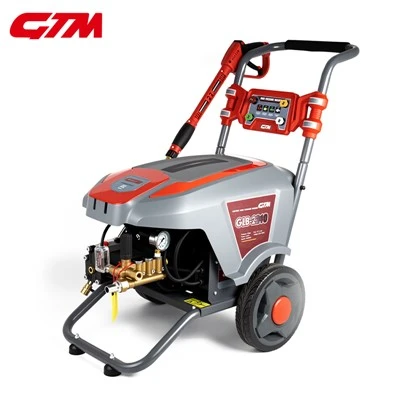
First, let’s start with the basics: pressure washers rely on pumps to take regular tap water and crank it up to super high pressure. Without a good pump, your pressure washer is just a fancy hose with no oomph. And not all pumps are created equal. You’ve got diaphragm pumps, which are lightweight and cheap, great for small, occasional jobs like washing a car once a month. But if you’re using your pressure washer daily—say, a landscaper cleaning equipment, a commercial painter prepping walls, or a homeowner with a huge driveway that’s caked with road salt—you’ll want a plunger pump.
So what makes a plunger pump different? Let’s get into the mechanics without boring you. A plunger pump (sometimes called a piston pump, though there’s a tiny difference we can skip for casual talk) uses a hard, cylindrical plunger that slides back and forth inside a sealed cylinder. When the plunger moves forward, it pushes water out through a one-way valve—this is what builds that intense pressure. When it pulls back, it creates a vacuum that pulls more water into the cylinder through another valve. It’s a repetitive, back-and-forth motion, and that’s where the power comes from. Unlike diaphragm pumps, which have a flexible rubber or plastic membrane that can wear out fast under constant high pressure, plungers are usually made of durable stuff like ceramic or stainless steel. That’s why they handle heavy use so well.
Let’s talk about why that durability is a big deal for anyone running a pressure washer regularly. I’ve seen way too many people go for the cheapest pressure washer they can find, only to have the diaphragm pump die after three months of weekly use. They end up spending more on repairs than they would’ve on a machine with a plunger pump in the first place. Plunger pumps are built to last—they can run for thousands of hours without breaking down, as long as you maintain them a little. Plus, they’re more efficient at turning engine power into water pressure. That means you’re not wasting energy, so even if you’re running the machine all day, it won’t burn through fuel or electricity like a less efficient pump would.
Now, let’s get into the nitty-gritty of how they work, just to paint a clear picture. Most plunger pumps for pressure washers are positive displacement pumps. That’s a fancy way of saying they move a fixed amount of water every time the plunger cycles, no matter what the pressure is. So if your nozzle gets a little clogged (a super common issue when you’re working with dirty water), the pump just builds more pressure behind the clog instead of slowing down. Diaphragm pumps might stall or weaken when there’s a small blockage, but a plunger pump keeps chugging. That’s a game-changer for jobs where you’re dealing with debris—like cleaning gutters, where leaves and gunk can get in the line, or washing farm equipment covered in mud and grass clippings.
There are a couple of types of plunger pumps, too, for different pressure washer setups. Axial cam plunger pumps are the most common for residential and light commercial use. They use a rotating camshaft to push the plungers back and forth—usually three plungers, which makes the pressure super smooth, no jolts. That’s nice for when you’re washing delicate things, like a wooden deck, because uneven pressure can scratch wood. Then there’s the triplex plunger pump, which has three plungers too, but they’re heavier duty, designed for higher pressures and continuous use. Pros love these—pressure washers with triplex pumps can hit 4,000 PSI or more, which is perfect for stripping old paint, cleaning concrete, or even pressure washing commercial storefronts multiple times a week.
Wait, let’s address a common myth: some people think plunger pumps are only for big, heavy pressure washers. Nope—we make smaller plunger pumps for portable pressure washers too, the kind you can haul in a truck to a job site or use in a small garage. The key is that even the compact ones still use that hard plunger instead of a soft diaphragm, so they’re way more reliable for regular use than their diaphragm counterparts.
Now, why should you care if you’re in the market for a pressure washer, or if yours is breaking down? If you’re buying a new pressure washer, always check what pump it uses. If the spec sheet says “diaphragm,” that’s fine for occasional use, but if you’re going to use it more than once a week, go for a plunger pump. It might cost a bit more upfront, but the longevity and performance will save you money in the long run. If you already have a pressure washer that needs a new pump, don’t replace it with a diaphragm unless you’re only using it rarely—your old machine is probably built for a plunger, so matching that will keep it running.
I’ve talked to a lot of customers over the years—small business owners, homeowners, even other pump retailers—and the number one complaint about their pressure washer is pump failure. Most of the time, it’s because they got a diaphragm pump when they needed a plunger. One guy I met was a restaurant owner who used his pressure washer to clean his outdoor patio every night. His cheap pressure washer died after two months, and he was ready to throw it all away. We sold him a compact plunger pump replacement, and he told me a year later it’s still running without any issues. Another customer is a professional painter who preps 10 houses a month—he swears by his triplex plunger pump, says it cuts his prep time in half because the pressure is consistent, no hand-scrubbing needed.
Maintenance is a big part of making a plunger pump last, too. It’s not hard—just simple steps. First, always use clean water, or run a water filter on your input. If dirty water gets into the cylinder, it can scratch the plunger, which will make the pump leak over time. Second, change the oil regularly—plunger pumps have crankcases like engines, and old oil can cause wear. Third, flush the pump after each use, especially if you’re using hot water (some plunger pumps are rated for hot water, but not all) or detergent. Detergent left in the pump can break down seals, so a quick flush with plain water will save you a lot of trouble. We have customers who’ve had their plunger pumps for 5+ years just by following those three steps—no fancy repairs, no replacements.
Let’s compare that to diaphragm pumps to drive the point home. A diaphragm pump’s main part is a rubber membrane that flexes thousands of times a minute. Even with good care, that rubber will break down in a year or two, especially if you’re running at high pressure. Plungers are ceramic or stainless steel—way harder, way more resistant to wear. The only parts that wear out on a good plunger pump are the seals, and those are cheap and easy to replace. So instead of buying a whole new pump every 12 months, you just swap a $10 seal kit. That’s a no-brainer for anyone using their pressure washer regularly.
Now, if you’re in the market for a plunger pump, what should you look for? First, match the pump’s flow rate and pressure to your needs. Flow rate is measured in GPM (gallons per minute)—higher GPM means you can cover more ground faster. If you’re washing a big driveway, you want 2.5 GPM or more. If you’re just washing a car, 1.5 GPM is enough. Second, check the PSI (pounds per square inch) rating. For residential use, 2,000-3,000 PSI is perfect; commercial use needs 3,000+ PSI. Third, make sure the pump is compatible with your pressure washer’s engine or motor. There are direct drive pumps (mounted straight to the engine shaft, smaller, good for light use) and belt drive pumps (use a belt to connect to the engine, smoother, better for heavy use). We can help you figure out which one fits your machine—just let us know the make and model.
Wait, a lot of people ask if plunger pumps are loud. Yeah, they’re a little louder than diaphragm pumps, but not by much—modern axial cam pumps are designed to reduce noise, so you won’t be deafening your neighbors. The tradeoff is totally worth it for the durability, in my book. I’d rather have a pump that’s a little loud and runs for years than a quiet one that dies after a month.
Another thing: plunger pumps can handle different types of fluids, not just water. If you’re using your pressure washer with detergent, disinfectant, or even mild chemicals (as long as they’re compatible with the pump’s seals), a plunger pump works fine. Diaphragm pumps can sometimes react to chemicals, causing the membrane to break down faster, but plunger pumps’ metal and ceramic parts are more resistant. That’s why they’re popular for industrial applications, too—like cleaning industrial equipment, or even in agriculture for washing livestock pens.
Let’s wrap this up, because I know I’ve gone on a bit. A plunger pump is the heart of a pressure washer that does heavy lifting. It’s built with durable, high-wear parts that handle constant high pressure way better than cheaper diaphragm pumps. It’s efficient, reliable, and if you take basic care of it, it’ll outlast multiple pressure washers with inferior pumps. Whether you’re a homeowner with a big property, a small business owner, or a pro who uses their pressure washer every day, a plunger pump is the way to go.
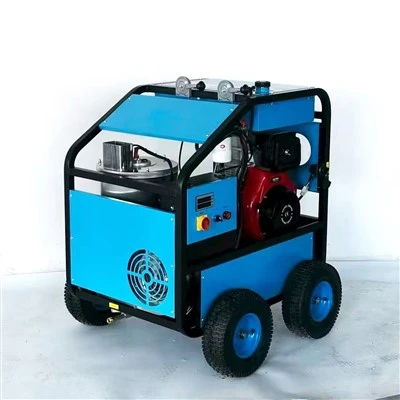
If you’re looking to replace a worn-out pump, upgrade your existing pressure washer, or just pick the right pump for your new machine, hit us up for a chat. We can help you find the exact plunger pump that fits your needs, no confusing specs or sales pitches—just straight advice from people who know pumps inside and out. Don’t waste money on a pump that’ll die in a few months; go with something built to last.
High Pressure Washer Accessories Reference:
- The Pump Handbook, 4th Edition, Karassik, I.J., et al., McGraw-Hill Education, 2007
- Pressure Washer Pump Guide, Outdoor Power Equipment Institute (OPEI), 2022
- Positive Displacement Pump Technology for Industrial Applications, Industrial Press, 2019
Zhejiang GTM Hi-Tech Intelligent Equipment Co., Ltd.
As one of the most professional plunger pump manufacturers and suppliers in China, we also support customized service. With abundant experience, we warmly welcome you to buy discount plunger pump for sale here from our factory. For price consultation, contact us.
Address: No.5 of Changjiang Road, 2nd Economic Development Zone of Wenling, Zhejiang, China
E-mail: yehuanting1@hongyemfg.com
WebSite: https://www.gtm-plungerpump.com/
