If you’ve ever walked through a metalworking shop, you know how much goes into keeping operations running smoothly—and one of the most critical, yet often misunderstood, components is metalworking fluid (MWF). As a supplier who’s been on the ground with manufacturing teams for over a decade, I hear this question at least once a week: “Can I mix different types of metalworking fluids?” The short answer? It’s not as simple as dumping one into another. Get it wrong, and you’re looking at costly machine downtime, part defects, or even safety risks. Get it right, and you could save money and streamline your process. Let’s break this down like we would in a shop huddle—no jargon, just real-world science and experience. Metalworking Fluid
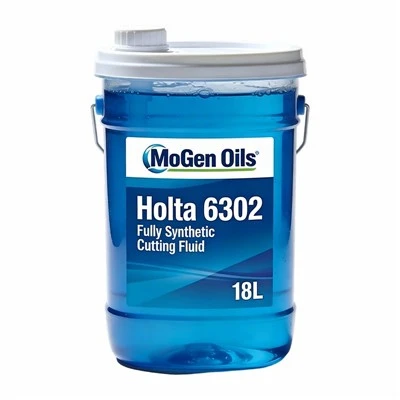
First, let’s start with the basics: what makes MWF types different. Metalworking fluids fall into four main categories, each built for specific jobs. Straight oils are pure petroleum or synthetic oils with no water, used for heavy cutting like gear machining because they provide extreme lubrication. Soluble oils (also called emulsifiable oils) are oil mixed with emulsifiers that turn them into a milky mix when diluted with water; they balance lubrication and cooling, making them workhorses for general machining. Semisynthetic fluids have smaller oil droplets than soluble oils, so they’re clearer, offer better cooling, and lower misting risks, which is a big win for air quality in shops. Synthetics don’t have any oil at all, relying on chemical additives for cooling and lubrication, ideal for high-speed operations where heat is a problem.
Here’s where the confusion hits: mixing two different MWFs from the same category, say two soluble oils, might seem harmless, but it can backfire. Last year, a shop I work with tried mixing two soluble oils from different brands to cut costs. Within two weeks, their coolant tank was full of a strange, slimy residue, and their tool life dropped by 30%. When we tested the mix, we found the emulsifiers in each product had reacted negatively: one brand used a non-ionic emulsifier, the other an anionic type, and they neutralized each other. The result was a breakdown of the emulsion, leaving oil floating on top and a sludge at the bottom. That cost them over $10,000 in tool replacements and tank cleaning. That’s not an isolated incident. Emulsifier compatibility is non-negotiable when mixing water-based MWFs like soluble or semisynthetic. Even two synthetics can clash if their additive packages don’t line up. For example, one synthetic might have corrosion inhibitors optimized for aluminum, while another uses inhibitors that don’t play nice with ferrous metals. Mix them, and you could see your steel parts developing rust before they even leave the machine.
Then there’s the bigger question: mixing water-based and straight oil MWFs. That’s a hard no for almost every case. Straight oils don’t mix with water—they’ll separate immediately, leaving a layer of oil on the surface and nothing protecting your machine from heat. I once had a customer who accidentally poured a jug of straight cutting oil into their soluble oil tank. Within an hour, their spindle bearings started overheating because there was no consistent lubrication to carry heat away. They burned out two bearings before they caught it. The only exception here is if you’re switching between processes, not mixing in the same tank. If your shop moves from a heavy lathe operation that uses straight oil to a milling job that uses soluble oil, you can flush the tank and lines thoroughly, but never pour the two into the same container.
Now, why do people even consider mixing MWFs? Mostly to save money. One customer told me, “If I can mix my existing coolant with a cheaper brand, I can cut my costs by 20%.” That’s a tempting number, but the hidden costs almost always outweigh the savings. The residue, tool damage, and downtime we saw earlier add up fast. And if you’re mixing to cover up a problem—like a coolant that’s too old or contaminated—you’re just kicking the can down the road. Old MWFs have bacteria and fungi that break down the fluid, turning it acidic. Mixing an acidic old fluid with a new one will accelerate that corrosion, not fix it.
But let’s talk about when mixing might actually be safe—if ever. In my experience, the only time mixing two MWFs makes sense is when they’re from the exact same product line, same brand, same formulation. Even then, you can’t just pour them in. You have to test a small batch first. Take a 50/50 mix of the two fluids, dilute them to your recommended concentration, and let it sit for 24 hours. Watch for separation, cloudiness, or residue on the sides of the container. If it stays clear and uniform, it’s probably safe. If not, walk away. I’ve had customers test compatible same-brand mixes that worked great, but those are the exceptions, not the rule. The other safe mix? If you’re using two fluids for entirely separate processes, in separate tanks. No mixing there.
So what should you do if you need to switch MWFs, or think you might benefit from mixing a fluid? First, talk to your supplier. A good MWF supplier isn’t just someone who sells you a jug—they’re a partner who knows how these fluids work. When a customer comes to me saying they want to mix two products, I don’t just say “no.” I ask what they’re trying to achieve. Do they want better lubrication? Better cooling? Lower costs? If their goal is to cut costs, I might recommend a blend that’s designed by the manufacturer, not a random shop mix. For example, we have a soluble oil that can be diluted with a small amount of a synthetic additive to boost performance, and it’s formulated to work with the base fluid, so it doesn’t cause emulsifier breakdown. That’s a controlled mix, not a DIY job.
Another key point: contamination. Even if two MWFs are compatible on paper, if either one has been contaminated with tramp oil, chips, or other debris, mixing them will spread that contamination. Tramp oil is a big one—oil from machining that leaks into the coolant tank. If you mix a fluid with high tramp oil content with a clean one, you’ll have to change the entire tank sooner, because the tramp oil will ruin the lubricating properties of both. Last quarter, a customer had 15% tramp oil in their tank before trying to mix with a new fluid. We had to drain and clean the tank twice, because the mix trapped the tramp oil in the emulsion, making it impossible to filter out.
Safety is another angle we can’t ignore. Metalworking fluids have additives that aren’t just for performance—some are for safety. For example, some soluble oils have biocides to prevent bacterial growth, which causes unpleasant odors and can lead to skin irritation for workers. If you mix a fluid with biocides with one without, you might end up with a mix that doesn’t have enough biocide, leading to bacterial blooms. Or worse, if one fluid has additives that are harmful when mixed with others, you could be creating fumes that are bad for your team’s respiratory health. We once worked with a shop that mixed two fluids, not knowing one contained a secondary amine that reacted with additives in the other to form nitrosamines, a carcinogen. It was a close call—we caught it before anyone got hurt, but they had to replace the entire tank and adjust their processes to avoid that. That’s why safety data sheets (SDS) are non-negotiable. Always check the SDS of any fluid you’re considering mixing, and talk to a supplier about any potential chemical reactions.
Let’s talk about testing, because that’s the best way to avoid mistakes. Any time you’re introducing a new MWF into a tank—whether it’s a new batch of the same fluid or a different one—do a small-scale test first. Grab a quart jar, mix the two fluids at the concentration you use in your shop, and let it sit for a week. Check for separation, residue, and odor. Do a simple pH test too: metalworking fluids should have a pH between 8 and 9. Mix two fluids and the pH drops below 7, that means the fluid is turning acidic, which will corrode your machines and parts. If the pH rises above 10, it can cause skin irritation for workers. Those are easy tests, and they can save you thousands in the long run.
So, circling back to the original question: Can I mix different types of metalworking fluids? The short answer is, only if you test, verify compatibility, and avoid mixing water-based with straight oil. But the smarter answer is: don’t do it yourself. Let an expert guide you. If you’re looking to adjust your MWF program to save costs, improve tool life, or fix a performance issue, let’s connect. We can review your current setup, test any mixes you’re considering, and recommend solutions that work for your specific operations. Whether you’re a small job shop or a large manufacturing facility, we can help you optimize your metalworking fluid process without the risks of mixing incompatible products.
Don’t let a bad mix cost you downtime, parts, or even worker safety. Give us a call to discuss your needs and find the right solution for your shop.
Automotive Lubricant References
- ASM International. (2012). Metalworking Fluids (2nd ed.). ASM International.
- Byrne, G., et al. (2003). Tool wear in machining: A review. International Journal of Machine Tools and Manufacture, 43(1), 75-92.
- Slack, K. J. (2014). Compatibility of metalworking fluids: Risks and best practices. Journal of Manufacturing Processes, 16(2), 212-218.
- Occupational Safety and Health Administration (OSHA). (2020). Controlling Airborne Contaminants from Metalworking Fluids. U.S. Department of Labor.
MoGen Lubricating Oils
With abundant experience, we are one of the most professional metalworking fluid manufacturers and suppliers in China. We warmly welcome you to wholesale custom made metalworking fluid from our factory. If you have any enquiry about cooperation, please feel free to email us.
Address: No.8003 Chewang Rd, Economic Development Zone Of Jinan, Shandong Province, China 250301
E-mail: sales@mogenoils.com
WebSite: https://www.mogen-oil.com/
