Hey everyone, if you’re anything like me, your coffee table is way more than just a place to set mugs when you’re too lazy to carry them to the kitchen after making coffee. It’s the centerpiece of your living room—like, when friends come over, that’s where everyone gravitates, right? So why is it that mine always looks like a chaotic collection of takeout menus, old magazines, and that one coaster I can’t find a match for? Last month, I was talking to a friend who runs a coffee table supply company (shoutout to them, they hook up my clients with insane pieces that don’t break the bank) and we were geeking out over how most people miss the little things that make a coffee table go from “meh” to “luxurious.” Spoiler alert: it’s not about dropping $1k on a marble top (though those are nice) — it’s about intentional, small choices that make the whole thing feel pulled together, not just cluttered. Let’s dive in, shall we? Coffee Tables
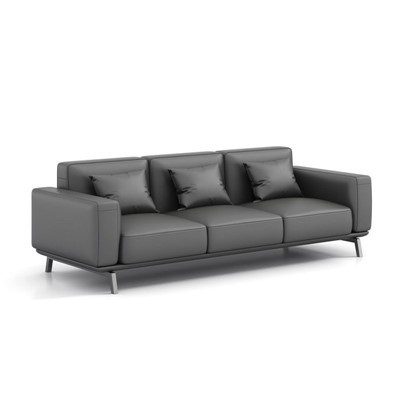
First off, let’s talk about the foundation of your coffee table. I know, I know—you’re thinking, “Duh, it’s the table itself.” But hear me out. A lot of people pick a coffee table based on size alone, and that’s a mistake. I worked with a client last year who had a 4-seater sectional, so she bought a super long rectangular table that stretched all the way to the ends of the couch. The problem? She could barely reach the middle without spilling her wine, and it made the whole living room feel cramped, not spacious. For a luxe feel, your coffee table should be about two-thirds the length of your sectional (or the biggest couch in the room) and ideally, have a little room around it to walk. No one likes bumping their knees on a giant coffee table, right? Also, materials matter more than you think. I know wood is classic, but if you go for solid oak vs. that cheap MDF that starts chipping after six months, it makes a huge difference. MDF feels lightweight, like it could tip over if you lean too hard, whereas solid wood has that weight and warmth that screams “quality.” Even if it’s a more affordable solid wood, like pine (wait, but not the super knotty stuff—trust me), it’s better than faux wood. One trick my supply friend swears by: if you can find a table with a subtle texture, like a carved edge or a distressed finish that’s done intentionally (not the kind that looks like it got chewed by a dog), that adds depth without being over the top. Avoid super glossy tops unless your whole space is modern and sleek—gloss shows every fingerprint, and luxe should feel low-maintenance, not like you’re wiping it down every two minutes.
Next up, the number one mistake everyone makes: piling on too much stuff. I get it, you want your coffee table to look functional and pretty— but when you have 12 candles, 6 books, a plant, a remote, a bowl for keys, and that vase you got for free at a wedding, it’s just a mess. The rule here is the “rule of three” — not the weird math kind, but the design kind where you group items in odd numbers because odd numbers feel more natural and eye-catching than even ones. So instead of two matching coasters (boring!), group three things together. Wait, but what three things? Let’s break down the key items you actually need: a functional centerpiece, a way to corral small clutter, and maybe one or two decorative touches. No more. Let’s start with the clutter corral. Instead of having remotes scattered all over, get a nice tray. Trays are non-negotiable for luxe coffee tables, I swear. They gather all the small, ugly stuff (remotes, chargers, lip balm) and make it look intentional, like you meant to have those things there. Don’t get a flimsy plastic tray—go for something with a bit of heft: a wooden tray, a marble-inlaid one, or even a leather-bound tray. My supply friend has these round leather trays that their customers go crazy for—they’re not too big, not too small, and they add that rich, cozy vibe without looking fancy. Pro tip: if your tray is light-colored, make sure it’s easy to wipe, and if it’s dark, don’t put super bright things on it unless you want it to look like a color bomb.
Now, the centerpiece. This is where most people either go too big or too small. If your coffee table is small, a big plant will overpower it, and if it’s huge, a tiny candle will get lost. For a balanced look, the centerpiece should be no taller than 12 inches, because if it’s taller than that, you can’t see over it when you’re sitting on the couch talking to someone. That’s a game-changer! I had a huge glass vase once that was like 18 inches tall, and my partner and I would always bump heads when we were on the couch watching TV. So ditch the giant floor-vase-sized thing. What works? A small potted succulent or a fiddle leaf fig baby (they’re way cheaper than the big ones and harder to kill than you think), a bowl of decorative balls or fruit (think: real lemons, not plastic, because real ones smell good and feel fresh), or a cluster of candles of varying heights. Wait, candles are great because they’re functional too—when you have friends over, you can light them and it instantly feels cozy and luxe. Just don’t buy those super scented ones that make your eyes water when you sit down—go for subtle scents like vanilla or sandalwood. Oh, and if you go the fruit route, make sure it’s all the same type or at least colors that go together—all yellow lemons or a mix of red and green apples, not a hodgepodge of oranges, bananas, and limes. That’s the kind of thing that makes your coffee table look like a grocery store display, not a luxe space.
Then there’s the books. Everyone thinks they need to stack 10 coffee table books on their table, and while that’s true, you don’t need 10. Keep it to 2 or 3 tops, max. Stack them horizontally, but stand one up next to the stack to add height. And choose books that actually matter to you—if you love travel, get a beautiful travel photography book, not some random design book you’ll never open. Also, don’t just stack them anywhere—prop them up against your tray or your plant so they’re part of the group, not just taking up space. A lot of people put their coffee table books so close to the edge that they’re at risk of falling off, which is a safety hazard and just messy. Keep them a few inches from the edge. Oh, and here’s a trick my supply friend told me: if you want to add a little extra luxe vibe, wrap a thin ribbon or twine around the middle of the book stack. It’s tiny, but it ties the whole look together and makes it feel intentional, not like you just grabbed books from the shelf and stacked them.
Wait, what about the little, often-overlooked details? Coasters! I cannot stress this enough. Generic paper coasters are fine when you’re having a party, but for everyday use, get nice coasters that match your tray or your table. No more those cheap plastic ones that slide around or leave water rings. Even if they’re simple ceramic coasters, that’s way better than nothing. Water rings are the enemy of luxe—they make a nice table look old and neglected, and no one wants that. Another thing: negative space. A lot of people clutter every inch of their coffee table, leaving no room to set a mug or a glass. Negative space is key to making a space feel luxe—it’s like breathing room. So leave some areas of your table empty, so when you do set something down (like a coffee mug or a snack plate), it doesn’t feel like you’re stepping over stuff. I once had a client who had a coffee table so full that when her friends came over, they had to hold their drinks the whole time because there was nowhere to put them. She fixed it by removing half the items, adding a tray for her remotes, and suddenly the table felt twice as big and way more luxurious. It’s wild how that works.
Wait, let’s talk about personalization too. A luxe coffee table doesn’t have to feel like a fancy hotel room— it should feel like yours. If you love playing games, keep a small set of dominoes or a deck of nice cards in a pretty box on the tray. If you’re a reader, leave one book open to the page you’re on (just make sure it’s not all crumpled or anything). If you have pets, keep a small bowl for their water in the corner (but make sure it’s cute, not a plastic dog bowl—get a ceramic one that matches your other decor). The key is that everything on your coffee table has a purpose, even the decorative stuff. If you don’t use something, don’t put it there. I had a friend who had a fancy crystal vase on her coffee table, but she never put flowers in it because she was scared it would get broken. So it just sat there, looking empty and kind of sad. She started putting fresh daisies in it every week, and suddenly that vase became the centerpiece, not an afterthought. Fresh flowers are such a small thing, but they make your whole table feel alive and luxe—even if they’re just a $2 bunch from the grocery store.
Now, let’s get into some common mistakes that people make that cheapen the whole look. First, too much matchy-matchy. If your whole living room is beige, don’t get a beige tray, beige coasters, beige everything. Add a pop of something—even a small blue candle or a green plant. Too much matching looks like a catalog, not a home. Second, overdoing the “trendy” stuff. Right now, terrazzo is everywhere, but if you hate it, don’t get a terrazzo tray just because it’s popular. Pick things that fit your style, not what’s on TikTok this week. Third, ignoring the space around the coffee table. If your couch is pressed up against the wall, and there’s no room to walk around the coffee table, it’s going to feel cramped, no matter how nice the table is. Make sure there’s at least 18 inches of space between your coffee table and the couch, so you can easily pull out a seat or walk past. That’s a small detail that makes a huge difference in how luxurious the whole room feels.
Wait, I should also mention if you’re in the market for a new coffee table—like I said earlier, size is everything. If you have a small apartment, don’t get a big rectangular table that takes up the whole living room. A round or oval coffee table is way better for small spaces because there are no sharp corners to bump your knees on, and it’s easier to move around. My supply friend has a line of round oak coffee tables that are perfect for small spaces—they’re not too big, have a small drawer underneath for hiding remotes and magazines, which is genius for saving space. Drawers or shelves are another luxe touch because they let you keep clutter out of sight. You don’t have to have everything on display—put the ugly stuff in the drawer, and only the pretty stuff on top. That’s how you keep the table looking neat without sacrificing function.
Let me test this with an example. Last month, I helped my cousin redo her living room. She had a tiny 2-seater couch, and a random square table that was way too big. We swapped it for a small round solid pine table (2/3 the length of her couch, perfect), got a brown leather tray, put two books stacked with a small succulent, three cream candles of varying heights, and left a quarter of the table empty for setting drinks. She got rid of the 10 random coasters and got two matching ceramic ones, and put her remotes in a small woven basket on the side of the tray. The whole thing went from “college student’s first apartment” to “cozy, luxe living room” for like $150, max. It was crazy how much a few small changes made.
If you’re ready to upgrade your coffee table, whether it’s buying a new one or just styling the one you have, don’t overcomplicate it. The key is intentionality—every item has a job, you have negative space, and everything fits your style. And if you’re looking for a solid, quality coffee table that won’t fall apart in a year, hit up those who supply coffee tables (shoutout to their amazing selection of sizes and styles for every space). They can help you pick the right table for your room, and their pieces are the kind that make your whole living room feel put-together without breaking the bank.
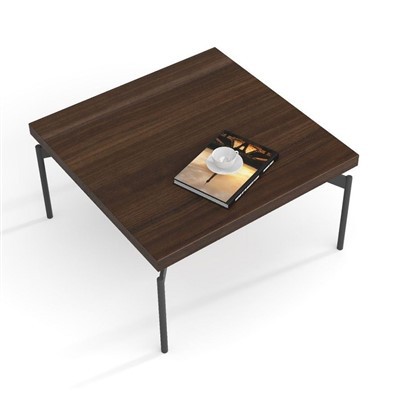
So, to wrap this up: measure twice before buying a new table, go for solid materials if you can, use a tray to corral clutter, group items in odd numbers, keep centerpieces low, don’t overcrowd, add small personal touches, and leave breathing room. That’s how you turn a regular coffee table into a luxe focal point that feels like home, not a fancy showroom. If you’re looking to level up your living space and need help picking the right coffee table or styling tips, don’t hesitate to reach out to those in the coffee table supply business—they’re pros who can hook you up with exactly what you need. No weird, overpriced stuff, just practical, stylish pieces that make your space feel luxe.
Sofas References:
- Design Trust. (2022). The Art of Coffee Table Styling: Balancing Function and Aesthetic. Interior Design Magazine.
- Lee, S. (2021). Small Space Living: Choosing the Right Coffee Table for Compact Rooms. Home Organization Today.
- Miller, L. (2023). Textures and Materials: How They Elevate Living Room Design. Architectural Digest.
- Chen, M. (2022). The Psychology of Negative Space in Home Decor. Modern Home Journal.
- Carter, J. (2023). Budget Luxe: Styling Tips for a High-End Look on a Budget. Good Housekeeping.
Zhejiang Runcell Science and Innovation Furniture Manufacturing Co., Ltd.
We’re known as one of the most reliable coffee tables manufacturers and suppliers in China. We warmly welcome you to buy customized coffee tables made in China here from our factory. If you have any enquiry about quotation, please feel free to email us.
Address: Nanxun District, Huzhou City, Zhejiang Province
E-mail: Runcellwm@163.com
WebSite: https://www.cnruncell.com/
