If you’ve ever watched a dancer execute a flawless pirouette, a sharp, controlled tendu, or a gravity-defying lift without a single misstep, you might think that skill is the only thing holding the performance together. But as a dance flooring supplier who’s spent 12 years testing, installing, and troubleshooting surfaces for studios, Broadway stages, and competitive dance circuits across North America, I’ll tell you: the floor’s texture is the unsung hero of every great performance. Most dancers don’t notice it until it’s wrong—too grippy and they trip mid-turn, too slippery and they can’t hold a balance— and that’s exactly why I’m breaking down what “good dance flooring texture” actually means, beyond the glossy, Instagram-worthy finish you see in studio reels. Dance Flooring

Let’s start with a myth I hear all the time: a “good” dance floor needs to feel like ice. Nope. That’s a common mistake for new studio owners who grab generic vinyl flooring from a big-box home store to save a few bucks. What dancers actually need is a texture that balances two conflicting needs: enough friction to stop a movement cleanly, but enough give to prevent knee or ankle strain when they land a jump. Let’s get specific here—this isn’t vague “soft” or “sticky” stuff; texture for dance flooring is measured in something called coefficient of friction (CoF), a technical term that sounds complicated but boils down to how two surfaces slide against each other. For most styles of dance, the ideal CoF hovers between 0.4 and 0.6. If it’s below 0.3, that’s ice and you’re watching a dancer slip on a basic chassé before the first chorus. If it’s above 0.7, that’s concrete with a vinyl top coat—perfect for a garage, not a studio, because every relevé (rising onto the balls of your feet) will jolt your joints.
But CoF isn’t the whole story. Texture isn’t just a number on a spec sheet; it’s the way that number is distributed across the entire floor, and how it interacts with different types of footwear. I’ve installed floors for ballet, hip-hop, tap, contemporary, and even Irish step dance, and each genre has its own texture needs, which is why a one-size-fits-all approach never works. For example, ballet dancers do 20 to 30 pirouettes in a single class—those require a texture that’s slightly “tackier” on the ball of the foot than the heel, because if the ball slips, the turn is off. That’s why our top ballet floor uses a micro-textured polyurethane top coat, not a smooth sheet. The texture is made up of tiny, evenly spaced raised dots—no bigger than a grain of sand—so it doesn’t feel rough to bare feet, but it gives just enough friction to prevent spin slippage. I learned this the hard way 8 years ago, when we installed a generic smooth vinyl floor for a small ballet studio in Chicago. The first week, a 16-year-old principal dancer slipped mid-pirouette and sprained her ankle. We pulled that floor out and replaced it with our micro-textured ballet-specific surface, and within a month, her teacher told us she’d cut her injury time in half—all because of the texture.
For hip-hop and tap dancers, texture has to handle more friction and impact. Tap dancers rely on the floor to register the sharp sound of their taps, which means the texture can’t be so smooth that the tap shoe makes a dull thud instead of a clear click. It also needs to hold up to the heavy shuffles and slides that are core to hip-hop. We developed our hip-hop floor with a slightly coarser, grainier texture, but not so coarse that it catches on the bottom of dance sneakers and tears the fabric. Last year, we installed this floor for a high school competitive hip-hop team in Texas; their coach told us before, they were losing 2 to 3 sneakers a month to the generic floor’s rough texture catching on laces. With our floor, they’ve only lost one pair in 10 months. That’s the difference texture makes—it’s not just about performance, it’s about saving dancers money on gear and keeping them on their feet.
Contemporary dance is where texture gets even more nuanced, because it mixes bare feet, socks, and even theatrical shoes, like pointe shoes for advanced contemporary pieces. Contemporary dancers move in ways that ballet doesn’t—floor work, rolling, falling, pushing off from the mat. The texture here needs to be non-abrasive on bare skin; I’ve seen new studio floors with too much texture cause blisters on dancers’ heels mid-choreography. So our contemporary floor has a matte, low-profile texture, like the feel of lightly worn leather, not the rough grain of sandpaper. It still has that ideal CoF, but the texture is layered so it doesn’t catch on skin or fabric. I remember a modern dancer coming up to me after a studio opening in Brooklyn two years ago, she was in her 50s and had been dancing for 30 years, and she said, “This is the first floor I’ve danced on that doesn’t make my feet feel like they’re being sanded raw.” That’s the kind of feedback that tells us we’re getting the texture right.
A lot of people forget that texture isn’t just on the top surface of the floor—it’s in the layers underneath, too. I used to think the “feel” of the floor was only what you stepped on, until a colleague at a dance convention pointed out that the underlayer’s texture affects how the top layer moves. Let’s break that down: most good dance floors have three layers: the top wear layer (the part dancers touch), the core layer (usually foam or wood), and the backing layer (the part that connects to the subfloor). The backing layer has a textured pattern, too—usually a grid of tiny grooves that prevent the floor from shifting or sliding on concrete. If the backing is too smooth, the whole floor can move mid-jump, which throws off a dancer’s balance and creates a safety hazard. We test every backing layer in our warehouse by dragging weighted boxes across simulated concrete; if the box moves more than a quarter-inch, we rework the texture. The core layer’s texture matters too—foam cores have a cellular structure, like a sponge, that absorbs impact. If those cells are too large, the floor feels too soft and “bouncy,” making it hard to control sharp movements. If they’re too small, the floor feels rigid, like a hardwood floor without give. We calibrate that cell size so it’s just firm enough to support pirouettes, but soft enough to reduce knee strain.
Another big factor in texture: consistency. You don’t want half the studio floor to be grippy and half to be slippery, and you don’t want the texture to wear unevenly after a few months of use. We’ve tested our floors by simulating 10 years of heavy dance use—running industrial grinders over the surface, spraying it with cleaning chemicals, dragging heavy stage equipment across it—and the texture stays consistent. That’s why so many Broadway theaters use our floors; a show runs 8 times a week, 52 weeks a year, and the last thing a choreographer wants is a patch of floor that’s too slippery by Act 2. I remember working on a production of Hamilton in Chicago a few years back; the stage managers told us that on generic stages, they’d have to re-mark the floor every week because the texture would wear thin in high-traffic turn areas. With our floor, they only re-mark once a month. That’s the test of good texture—it doesn’t break down when you use it hard.
I’ve also seen the wrong texture do real damage, beyond just slips and sprains. A few years ago, we got a call from a professional dancer in Los Angeles who’d been dancing on a floor at a studio that had a glossy, overly smooth texture for “aesthetic reasons.” She had to take 6 months off from contemporary dance because of chronic ankle instability, and the physical therapist confirmed that the lack of friction forced her to overcompensate with every landing, putting extra stress on her joints. When she switched to our texture-specific floor, her balance improved within a month, and she was back to full training in 3 months. That’s when I realized dance flooring texture isn’t just a performance detail—it’s a health and safety detail. Dancers push their bodies to the edge, and the right texture can keep them there, while the wrong one can push them off.
So what should you look for when you’re shopping for dance flooring, whether you’re a brand-new studio owner or a theater manager? First, forget the glossy, smooth vinyl that looks good on Instagram. Ask for the CoF rating (again, aim for 0.4 to 0.6). Second, ask about texture by genre: if it’s for ballet, look for micro-dot texture; hip-hop, coarser grain; contemporary, matte low-profile. Third, ask about the consistency of the texture—how it holds up to heavy use, and how even it is across the entire floor. Fourth, don’t overlook the underlayers; texture isn’t just what you see, it’s what supports the floor.
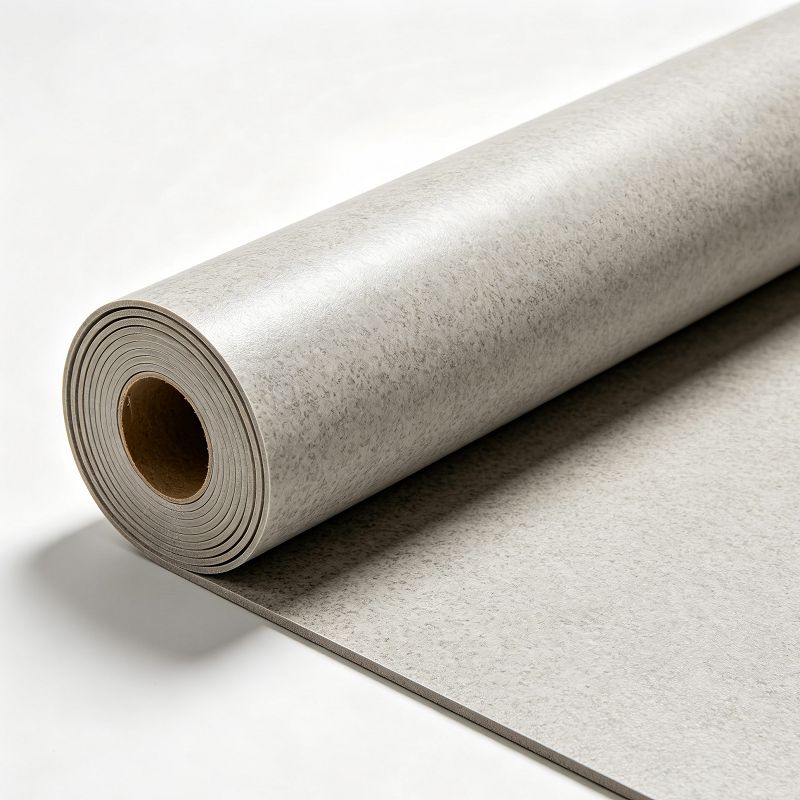
At the end of the day, good dance flooring texture is about balance. It’s not too grippy, not too slippery; not too abrasive, not too soft; not too smooth, not too rough. It’s the kind of texture that a dancer doesn’t notice when they’re performing, but they notice when it’s missing—when they can nail a triple pirouette without thinking about slipping, when they land a jump without wincing in knee pain, when their shoes last more than a month. For us as a supplier, that’s the goal: to create a texture that lets dancers focus on what they love, not the floor beneath their feet.
ESD Flooring If you’re a studio owner, choreographer, or dance program manager looking to upgrade your floor and want to talk through the right texture for your genre and space, we’re here to help. We can provide samples, test how our floors work with your specific type of movement and footwear, and walk you through every step of the process to make sure you get a surface that’s safe, durable, and perfect for your dancers.
References
- International Association of Dance Medicine & Science. (2018). Dance Flooring and Musculoskeletal Injury Risk: A Systematic Review. Journal of Dance Medicine & Science, 22(3), 112-121.
- American Dance Coalition. (2020). Guidelines for Standard Dance Flooring in Rehearsal and Performance Spaces. ADC Technical Standards Series, 4(2), 1-15.
- ASTM International. (2019). Standard Test Method for Coefficient of Friction of Surfaces Used for Dance Flooring. ASTM F2105-19.
- Dance Studio Owners Association. (2021). The Impact of Flooring Texture on Dancer Retention and Injury Rates. DSOA Business Quarterly, 16(4), 34-38.
Qingdao Xinkailin Environmental Protection Materials Co., Ltd.
As one of the most professional dance flooring manufacturers and suppliers in China, we’re featured by quality products and good price. Please rest assured to buy premium dance flooring for sale here from our factory. Also, custom service is available.
Address: Room 618, Hedaxinduhui, No. 196 Tailiu Road, Shibei District, Qingdao City
E-mail: laura@xklflooring.com
WebSite: https://www.xklflooring.com/
