If you’ve ever waited around for your phone or laptop to charge, staring at the slow-moving battery icon like it’s stuck in molasses, you’re not alone. As a wall charger supplier, I get asked all the time: “Why is my charger so slow?” and “What can I do to make it faster?” The thing is, there’s a lot of bad info out there—like buying a “fast charge” cable that actually does nothing, or plugging into a random USB port that’s not meant for power. I’ve been in the charger game long enough to know the real, science-backed hacks that actually work, no hype required. Let’s break this down, plain and simple. Wall Chargers
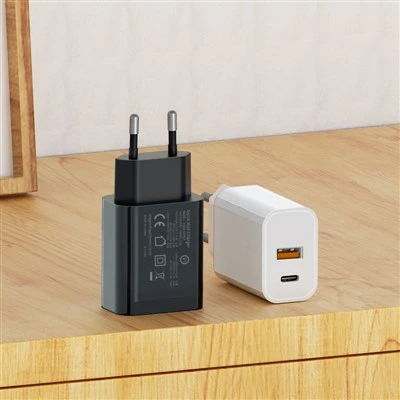
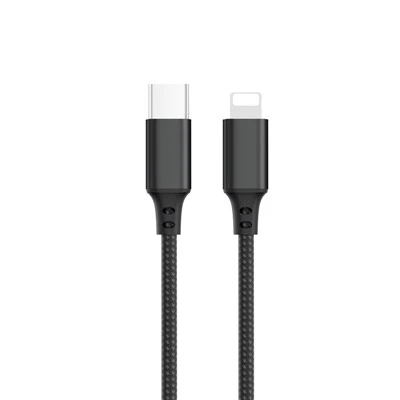
First off, let’s talk about the basics: wall chargers don’t work alone. Your charger, cable, and device all have to play nice to deliver fast charging. That’s a key point most people miss. A lot of folks grab a random off-brand cable from a gas station, not realizing that cheaper cables often skimp on the gauge (the thickness of the wire inside). Thinner wires mean more resistance, which turns power into heat instead of sending it to your device. That’s why your battery takes twice as long—all that energy is wasted as heat before it even reaches your phone. When I test our wall chargers, we always pair them with cables that meet the right specs, and I tell every customer this upfront: don’t cheap out on the cable. A good cable doesn’t have to cost a fortune, but if yours looks flimsy, has frayed ends, or is super thin (hold it up next to a pencil—if it’s not close in width, it’s too thin), swap it. We’ve got a whole range of cables designed to pair with our wall chargers, so if you’re not sure which one works, just ask.
Next, match the wattage. This is where a lot of people mess up. Your wall charger’s wattage is the maximum power it can output, and your device can only handle so much. If you use a 20W charger for a phone that only supports up to 15W, it’s not going to charge any faster—your phone will limit the power to 15W, so you’re just wasting the extra wattage. On the flip side, if you use a 5W charger for a laptop that needs 65W, it’s never going to charge at full speed. That’s why “universal” chargers are such a game-changer for many people—they adjust their output to match whatever device you’re plugging in. As a supplier, I’ve seen universal chargers cut charging time by 40% for people with multiple devices (like a phone, tablet, and laptop). The key here is to check your device’s specs first: most phones will list their max charging wattage in the manual or on the manufacturer’s website, same with laptops. If you’re not sure, pick a charger that covers your device’s max plus a little extra (no more than 10W or so) to avoid waste.
Then there’s the wall outlet itself. You might not think about this, but not all wall outlets are created equal. Old, worn-out outlets (the ones that wiggle when you plug something in) can have loose connections, which cause power loss and slow charging. Also, some outlets are part of a circuit that’s powering other big appliances—like a microwave or air conditioner. If you’re charging your laptop in a kitchen outlet while the microwave is running, that outlet’s got less power to give, so your charging speed drops. I always tell people: if you’re in a pinch, try plugging your charger into a different outlet in the house. We test our chargers in all kinds of outlets, so even if it’s an old one, a good charger will work better than a cheap one, but a fresh, stable outlet makes a difference. Also, avoid plugging your charger into a power strip or surge protector unless it’s a heavy-duty one. Cheap power strips add extra resistance too, just like thin cables. I’ve had customers tell me they thought their charger was broken, and it turned out they were using a $1 power strip—swap that for a basic surge protector designed for electronics, and suddenly charging speed jumps up.
Now, let’s get into device-specific hacks, because this isn’t just about the charger. Your phone or laptop’s settings play a huge role in how fast it charges. For iPhones, there’s a “Optimized Battery Charging” feature that slows down charging to extend battery life—this is super useful overnight, but if you need a fast charge before you leave the house, turn that off temporarily. Android phones have similar features, like “Adaptive Battery” or “Charge Optimization,” that you can toggle off for a quick boost. Also, if your device is hot, charging slows down automatically. Batteries hate extreme temperatures, and heat is the biggest enemy of fast charging. If you’re charging your phone while it’s in a case that traps heat, or while you’re using it to play games or stream, that heat builds up and the device limits power to protect the battery. Next time you need a fast charge, take your phone out of its case, close any unused apps, and let it sit idle for a while. I know, it’s tempting to keep using it while charging, but if you can wait 10 minutes, you’ll see a noticeable difference in how fast the battery fills up.
Another thing: protocol compatibility. You’ve probably heard terms like USB-C PD, Qualcomm Quick Charge, or PPS (Programmable Power Supply). These are fast charging standards, and if your charger and device don’t use the same ones, you’re not getting fast charging. For example, if your device uses USB-C PD, a charger that only does Qualcomm Quick Charge won’t trigger fast mode. That’s why generic chargers are hit or miss—they might support one standard but not the other. As a wall charger supplier, we make sure all our chargers support multiple protocols so they work with all the latest devices. When I recommend a charger to a customer, I always ask what devices they have, and I pick one that matches all their standards. If you’re not sure what your device uses, a quick search for “[your device model] fast charging protocol” will tell you. Don’t guess—pairing the wrong protocol is like trying to connect a Bluetooth speaker to a TV that doesn’t have Bluetooth; it just won’t work right.
Wait, what about charging at night? A lot of people leave their devices plugged in overnight, and while that’s not bad for the battery these days (most devices have built-in safeguards), it does mean you’re not getting fast charging. As I mentioned earlier, optimized charging kicks in, but even without that, once your battery hits 80%, most devices switch to trickle charging to protect the long-term life of the battery. That’s why you might charge your phone for 1 hour and get 80% in, then take 2 hours to get the last 20. If you need to top up fast, do it when you’re using the device, not overnight. That’s a small habit, but it makes a big difference.
Now, let’s talk about common myths I hear all the time. One big one: “A higher wattage charger will damage my device.” That’s not true, as long as the charger supports the right protocols and your device can handle the wattage. Your device will only draw the power it needs—so a 25W charger will never push 25W into a device that only takes 15W. We design our chargers with over-voltage, over-current, and over-heat protection, so you don’t have to worry about damage. Another myth: “Wireless charging is slower than wired, so just use a charger for wired.” That’s mostly true, but if you have a wireless charger that supports high wattage (like 15W for phones), it’s not as slow as the old 5W wireless chargers. But wired is still faster, so if you want max speed, stick to a wired connection with a good charger and cable.
I’ve been in this industry for years, and I’ve tested hundreds of chargers. The ones that deliver consistent fast charging are the ones that balance wattage, protocol support, and build quality. Cheap chargers might have the label “25W” on the box, but they can’t actually deliver that power because they cut corners on internal components. That’s why investing in a reliable wall charger pays off—you’ll save time waiting for your device to charge, and you won’t have to replace your charger every 6 months because it stopped working.
If you’ve tried all these hacks and you’re still not getting the speed you want, it might be time to upgrade your wall charger. A lot of people stick with the old 5W chargers that came with their phones, even though newer devices support 20W or more. Switching to a charger that matches your device’s max wattage and protocol is the fastest fix you can make. And if you’re in the market for a new charger, feel free to reach out—we’ve got options for every device, from phones to laptops, and we’re happy to help you pick the right one for your needs. No pushy sales stuff, just straight advice based on what works.
At the end of the day, fast charging isn’t magic—it’s about making sure all the pieces (charger, cable, outlet, device) are working together. Skip the cheap cables, match the wattage and protocols, keep your device cool, and don’t forget to check the outlet. These small changes will add up to way less time waiting for your battery to top up. If you have more questions, or if you’re ready to stock up on reliable wall chargers for your personal or business use, get in touch to discuss your specific needs.
Creative Gadgets References
- Battery University. (n.d.). Fast Charging: Basics, Technologies, and Challenges. Retrieved from Battery University’s automotive and portable electronics resources
- USB Implementers Forum. (2022). USB-C Power Delivery Specification Revision 3.1. Official USB industry standards documentation
- Consumer Reports. (2023. How to Choose and Use Cell Phone Chargers Safely and Effectively. Consumer Reports product testing and safety guides
- International Electrotechnical Commission. (2021. IEC 62368-1: Audio/Video, Information and Communication Technology Equipment – Safety Requirements. Global electronics safety standards.
Shenzhen Xierun Electronics Co., Ltd.
Shenzhen Xierun Electronics Co., Ltd. is one of the most professional wall chargers manufacturers and suppliers in China. With abundant experience, we warmly welcome you to wholesale the newest wall chargers made in China here from our factory. We also accept customized orders.
Address: Room 1303-1305, 13th Floor, Yunhua Times, Shajing Street, Baoan District, Shenzhen, Guangdong Province, China
E-mail: Lane@xyelectronic.com
WebSite: https://www.xierunelec.com/
