What’s up fabric fam? If you’ve ever been shopping for workwear, outdoor gear, or even high-quality apparel, you might’ve run into the term “cavalry twill” and thought—wait, is that like a fancy type of twill, or just a random marketing term? As a supplier who’s been working with this stuff for years, I’m here to break it down like I would to a client who just sent me a 2 a.m. email asking if it’s “worth the extra cost.” Cavalry Twill
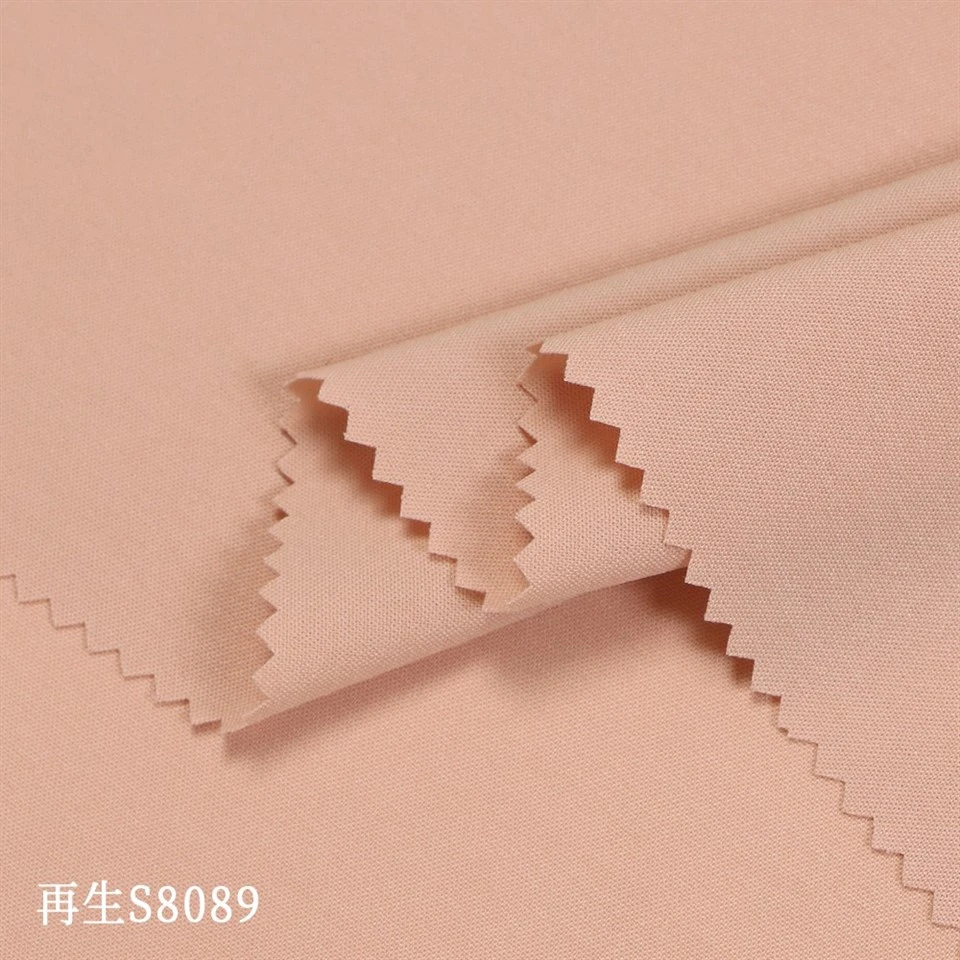
First off, let’s keep this simple: cavalry twill isn’t some new tech fabric or a trend that’ll be gone next season. It’s a specific type of twill weave, pure and simple. Twill, for anyone who’s slept through high school textiles class (no judgment—we all skipped that to chill in the cafeteria), is the weave that makes that diagonal line across the fabric. Think jeans, right? Blue jeans are a classic twill, but cavalry twill is a step up from your average denim. Here’s the science bit that matters: it’s a 2-and-1 twill weave, meaning every second thread on the front goes over two, then under one, and on the back it flips to look like 1-and-2. Wait, why does that matter? Because that weave makes it way tighter and more durable than, say, a casual chino twill.
I’ve seen so many people mix it up with other heavy twills, like drill or gabardine. Let’s clear that up fast. Drill is a thicker, more rugged twill often used for work pants or coveralls, but it’s usually a 3-and-1 weave, so it’s coarser, more scratchy if you’re not careful. Gabardine is a super tight, smooth twill, usually with a slight sheen, made for things like suits or raincoats. Cavalry twill hits a perfect middle: it’s tough enough to stand up to construction sites or weekend hikes, but it’s soft enough that you don’t feel like you’re wearing a burlap sack all day. That’s why it’s been a go-to for so long.
Now, the name—cavalry twill. You wanna know why it’s called that? Back in the 1800s, European armies (mostly British and French) needed a fabric for their cavalry uniforms that could handle horseback riding. Think about it: you’re on a horse all day, bending in the saddle, rubbing against your saddle leather, maybe getting caught on branches when you’re out scouting. Regular fabrics would tear, or stretch too much, or get soaked through with rain. Cavalry twill was made for exactly that. It was tough, flexible, and it held its shape—so a soldier wouldn’t look like a slouch mid-ride, and his uniform wouldn’t fall apart after a few days of patrolling. That history part is cool, but let’s be real, the real reason it’s still around is because it works for everyday stuff too.
So what’s it made of these days? A lot of people still think it’s all wool, which is where some of the quality comes from. Traditional cavalry twill was 100% worsted wool—super fine, long-staple wool that’s spun tight, so it doesn’t pill or fray. That wool version is warm, water-resistant (wool naturally repels moisture, right?), and it breathes, so you don’t sweat through your pants in the summer heat. But over the years, we’ve started blending it with other fibers to make it more versatile. A lot of modern cavalry twill is a cotton-poly blend, or even cotton-spandex for a little stretch. Wait, don’t sleep on the blends! I’ve sold a lot of stretch cavalry twill to small-batch apparel brands, and they swear by it for casual jackets and work pants. It’s got the durability of the original, plus enough give to bend when you’re lifting boxes or climbing a ladder.
Let’s talk about the actual feel of it, because that’s what makes people come back. If you run your hand over a 100% wool cavalry twill, it’s a little nubby, not smooth like gabardine, but soft—not scratchy, like old-school work pants. The cotton blends are even softer, almost like a broken-in pair of jeans right out of the package. And because of that tight weave, it’s got a little weight to it—heavier than a t-shirt, lighter than a winter coat, just enough that it feels sturdy without being bulky. That’s why it’s so popular for everything from chinos to utility jackets, even shoe linings sometimes.
Wait, let’s get into the uses, because if you’re here as someone looking to source fabric, not just geek out over textiles, this is the good stuff. I’ve supplied cavalry twill to all kinds of clients: small workwear brands making tough outdoor gear, designer lines for structured trousers, even costume shops for period pieces. Let’s break down the most common uses:
-
Workwear: If you’re a carpenter, plumber, or do anything that involves moving around, bending, and getting a little rough with your clothes, cavalry twill pants are a game-changer. They don’t tear as easily as regular chinos, and they hold their shape way better—no sagging in the knees after a week of wear. I had a client last year who made work pants with our 10 oz cotton-poly blend, and his customers said they lasted twice as long as their old jeans.
-
Outerwear: Lightweight cavalry twill is perfect for field jackets or chore coats. It’s thick enough to block wind, but it’s breathable, so you don’t overheat when you’re running errands on a 50-degree day. I even supplied some to a maker of dog walking jackets—they needed a fabric that’d stand up to leash rub and the occasional rain, and cavalry twill was the exact fit.
-
Apparel: High-end chinos, trousers, even casual blazers. The wool versions have that timeless, polished look that works for office wear, but they’re way more comfortable than a regular suit. A lot of fashion brands use it for their “smart casual” lines because it’s dressy enough for a meeting, but durable enough to wear out to dinner after.
Now, let’s get to the stuff that actually matters when you’re buying it—quality. Not all cavalry twill is created equal, and I see so many brands get burned on cheap stock that falls apart. Here’s what to look for:
-
Weight: Cavalry twill usually comes in weights between 8 oz and 12 oz. Anything under 8 oz is too thin, it’ll stretch out and tear easy. Anything over 12 oz is too heavy, it’ll feel stiff and uncomfortable. I mostly stock 9-10 oz blends, which is the sweet spot for almost everything. The pure wool ones are usually 10-12 oz, great for cold climates.
-
Weave tightness: Run your fingers over the fabric—you shouldn’t see a lot of gaps between the threads. If you can see light through it, that’s a bad sign. Good cavalry twill has a dense weave that holds up to abrasion.
-
Fiber content: Like I said, 100% worsted wool is premium, but cotton-poly blends (usually 65% cotton, 35% poly) are way more affordable and don’t shrink as much in the wash. Some blends add a little spandex (2-5%) for stretch, which is perfect for work pants. Avoid anything that’s 100% polyester—it’ll be cheap, scratchy, and not breathe well.
-
Pilling: Give it a quick rub between your palms. If it pills up right away, that’s low quality. Good cavalry twill stays smooth, even after months of wear.
As a supplier, I get why people might be wary of ordering from someone they don’t know. A lot of fabric suppliers out there will sell you anything and call it cavalry twill, but I’ve been in this game long enough to know that reputation matters. I test every batch we get before I ship it out—pull a sample, wash it, stretch it, rub it against sandpaper to test durability. I don’t sell fabric that I wouldn’t use for my own work pants. Last month, a guy from a small outdoor brand emailed me saying he’d ordered cheap cavalry twill from another supplier, and half the batch shrank 2 inches after the first wash. I sent him a sample of my 65/35 blend, and he reordered 500 yards a week later. That’s the kind of stuff I pride myself on.
Wait, let’s address a common misconception: cavalry twill is only for men’s workwear or period costumes. No way. I’ve supplied it to a lot of women’s apparel brands too—they use it for high-waisted trousers, utility skirts, even blazers. It’s a versatile fabric that works for any gender, any style, any use case. The wool version is super popular for fall and winter dresses, because it’s warm but not bulky.
Another thing I love about cavalry twill is that it ages like wine. The more you wear it, the softer it gets, and that diagonal twill line fades just a little, giving it a nice, worn-in look. It’s not like fast fashion fabrics that fall apart after 5 washes. I have a pair of wool cavalry twill pants I’ve had for 7 years, and they still look brand new—no holes, no sagging, just a little softer than when I bought them. That’s the real value of this fabric.
If you’re a small business owner looking to source fabric, or a maker who needs material for your next project, let me tell you: cavalry twill is worth the investment. Yeah, it’s a little more expensive than your basic cotton twill, but it lasts twice as long, stands up to way more wear and tear, and looks way more professional. I’ve had so many clients come back to me saying their customers ask where the pants or jackets are from, because the fabric feels so high quality.
At the end of the day, cavalry twill isn’t just a fabric—it’s a workhorse. It’s been around for over 150 years, and it’s still going strong because it does exactly what it’s supposed to do: keep you comfortable, keep you covered, and keep you looking good. If you’re tired of fast fashion fabrics that fall apart after a month, or cheap twill that’s too flimsy, give cavalry twill a try. I’ve got all kinds of weights and blends in stock, and I can help you pick the right one for your project.
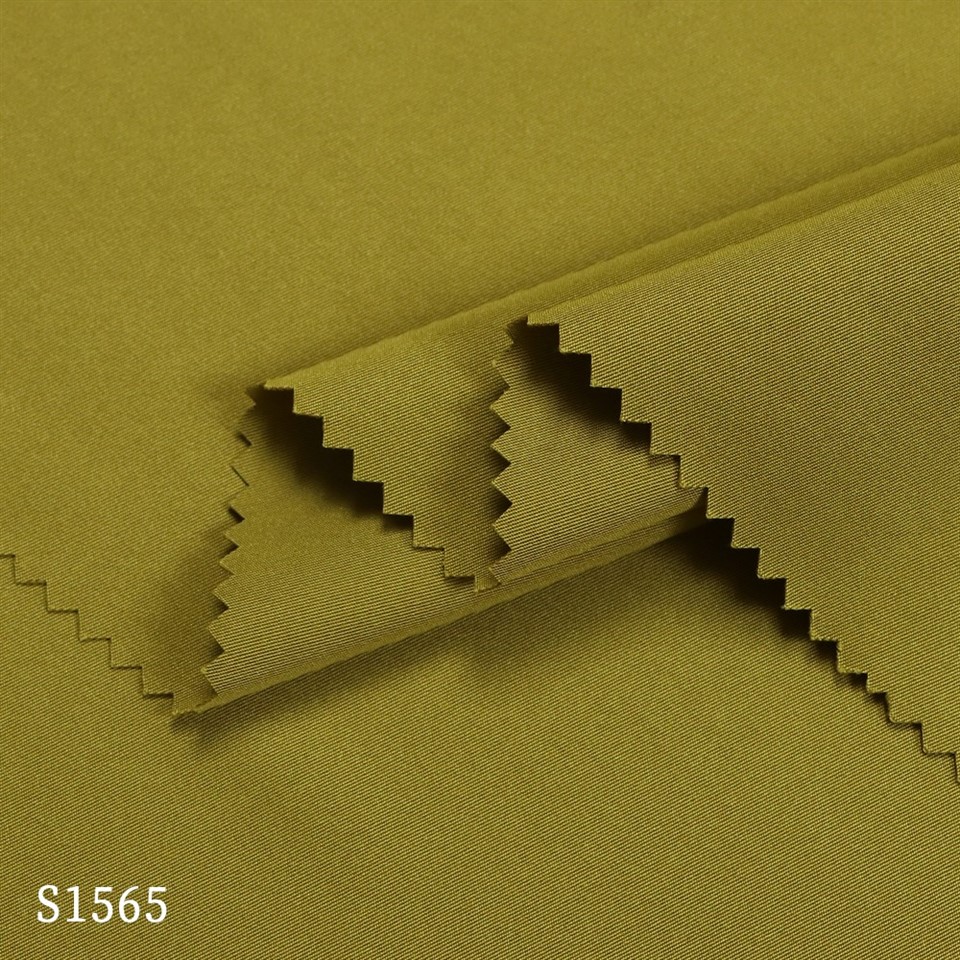
Don’t hesitate to reach out if you’ve got questions, need samples, or want to place an order. I’m here to help, not just sell fabric. Whether you’re making work pants, a jacket, or something totally custom, let’s chat about what you need and how cavalry twill can work for you. Oh, and before I forget—here’s the references I used to make sure all this info is accurate, no just my years of messing around with fabric.
2 2 Twill Weave References:
- Textile Institute, “Types of Twill Weaves and Their Applications”
- Clothing and Textiles Research Journal, “Historical and Functional Analysis of Military Uniform Fabrics”
- American Apparel and Footwear Association, “Fabric Quality Standards for Heavy Twill Materials”
- International Wool Textile Organization, “Properties of Worsted Wool Twill Fabrics”
Shaoxing Huichao Textile Co., Ltd.
As one of the most professional cavalry twill manufacturers and suppliers in China, we offer a wide range of products with superior quality. Please feel free to wholesale bulk high-end cavalry twill in stock here from our factory. Good service and reasonable price are available.
Address:
E-mail: darrenzhong@huichaotextile.com
WebSite: https://www.huichao-textile.com/
