Let me start with a question I get at least once a week as a door closer supplier: Can a door closer work with a door alarm? At first glance, these two parts of door hardware seem like they’re from different worlds—one’s the quiet mechanism that gently pulls a door shut after you walk through it, the other’s the loud (and sometimes annoying) security device that beeps when you leave a store door propped open too long. But over the 12 years I’ve been selling door closers, I’ve seen more customers wonder about this pairing, and the answer isn’t a simple yes or no. It depends on the type of door closer, the type of alarm, and how you set them up. This post is for anyone weighing both investments—whether you own a retail shop, a small office, or even a storage unit that needs security and smooth door operation. Door Closer

First, let’s break down what each component actually does, because a lot of people don’t realize how many variations exist. I’ve sold hydraulic door closers, commercial grade ones for 24/7 use, and even light-duty ones for residential entry doors. A standard door closer is basically a spring-loaded mechanism, usually housed in a metal body mounted above or on the side of a door. When you push a door open, the closer’s arm extends and compresses a hydraulic spring; when you let go, that spring releases, slowly pulling the door back to a closed position. The hydraulic part is key here because it controls the speed—no slamming, and for commercial use, it meets fire code requirements most of the time.
Door alarms, on the other hand, are not a one-size-fits-all product. I’ve installed magnetic contact alarms for retail entrances, pressure-sensitive alarms for push-bar exit doors, and even battery-powered standalone alarms that make noise when a door is opened without a valid key. The most common question I get from customers is whether a door closer will interfere with an alarm’s sensor. That’s where the real story starts.
Let’s start with the good news: in most cases, a door closer and a door alarm can work together perfectly, as long as you pick compatible components. The biggest conflict I see is when a customer tries to install a heavy-duty commercial door closer on a door that has a fragile magnetic alarm sensor. Wait, no—actually, the reverse: when the door closer’s installation hardware shifts or pulls loose over time, that can throw off the alarm’s sensor alignment. I had a café client two years ago who installed our standard commercial door closers on their entrance, paired with a magnetic alarm. Within three months, the alarm was going off randomly, and the security company blamed the door closer. When we sent a technician out, we found that the screws holding the closer’s arm to the door frame had vibrated loose (from the constant motion of the door opening and closing throughout the day), which tugged the door slightly out of alignment. That made the magnetic sensor, which is mounted on the door and frame, misalign just enough that it triggered a false alarm. We tightened the screws, adjusted the sensor, and the problem was gone. That’s a common mistake: not accounting for the ongoing movement that a door closer creates, even a well-installed one.
Another compatibility point is timing. Some door alarms are designed to sound immediately when a door opens, while others have a delay—great for retail so staff can open the door without the alarm going off. The door closer’s closing speed is adjustable, and that’s where you can sync the two. If your alarm has a 15-second delay, you can set the door closer to close the door in 10 seconds, leaving five seconds for staff to walk through before the alarm arms again. I recommend that to every small business client I work with. If you don’t adjust the timing, you might have a door that slams shut right after someone walks in, triggering the alarm because the sensor didn’t have time to reset. That’s a frustrating issue for customers, and it’s completely avoidable.
But here’s a case where a door closer and alarm won’t work well together: if you’re using a door closer that’s too powerful for the door. A lot of customers buy cheap, no-name door closers online that are designed for 100-pound doors, then install them on 80-pound exit doors in a office. The extra force from the over-sized closer puts stress on every door component, including the alarm’s wires. I’ve had a handful of clients come to me after spending $200 on a cheap closer that damaged their alarm’s wiring, and they had to replace both. It’s not that they’re incompatible—they just picked the wrong components. That’s why I always ask for details about the door size, how often it’s used, and what alarm they’re using, before recommending a closer.
Now, let’s talk about a more advanced pairing: integrated systems. I’ve worked with a few warehouse clients who use electric door closers that sync directly with their building’s security system, including door alarms. An electric door closer uses electrical power to control the door’s movement, instead of just a spring. That means it can connect to the alarm system: if the alarm goes off, the door closer automatically closes the door (and locks it, if it’s a lockable closer) to secure the space. That’s a game-changer for storage facilities or hospitals, where a breach needs to be contained immediately. I installed this setup for a self-storage company in suburban Chicago last year: their door alarms on each storage unit’s entrance trigger the electric closer to close and lock the door within two seconds. No more waiting for someone to manually close the door, which would leave the unit vulnerable. That integrated system works so well because the electric closer is controlled by the same alarm’s circuit, so there’s no misalignment or timing issues.
But there are limits to this. If you have an older, hydraulic door closer (the kind that doesn’t use electricity), you can’t connect it directly to an alarm system—it’s just a mechanical device. But that doesn’t mean you can’t use them together. The key is proper installation. I always recommend working with a licensed technician when installing both, because even small mistakes—like mounting the closer’s arm at the wrong angle, or placing the alarm’s sensor too close to the closer’s metal body—can cause problems. I once had a restaurant client who tried to install our door closers themselves, and mounted the closer on the pull side of the door instead of the push side. That made the door pull instead of push, which threw off the alarm’s sensor so much that it was going off non-stop. A technician fixed it in 15 minutes, and they’ve had no issues since.
Another common concern is noise. A lot of customers worry that the door closer’s movement will mask the alarm’s sound, especially in a busy space. But that’s a matter of choosing the right alarm volume and the right door closer. Our commercial grade door closers operate quietly, because the hydraulic system is designed to slow the door without slamming or grinding. The alarms we recommend for retail are 85 decibels or higher, which is loud enough to be heard over conversation, even in a small shop. I had a bakery client who was worried about this—they have busy mornings with lots of foot traffic, and they didn’t want the alarm to go unnoticed. We paired our quiet commercial door closers with pressure-sensitive alarms set to 90 decibels, and they haven’t had a single complaint from staff or customers about missing an alarm.
Wait, let’s address a myth I hear all the time: door closers can damage door alarms over time. It’s true that the constant opening and closing of a door can put stress on any attached component, but that’s only if the alarm is installed incorrectly. If you mount the alarm’s sensor far enough away from the door closer’s moving parts, and use sturdy mounting hardware that can handle the vibration from the door, there’s almost no risk. I’ve had a doctor’s office client use our door closers with magnetic alarms for five years now, and they’ve never had to replace an alarm because of the door’s movement. The key is to make sure all mounting points are secure. For our door closers, we provide heavy-duty mounting screws that are designed to resist vibration, which cuts down on the risk of the closer shifting and throwing off the alarm.
Let me wrap this up with a real example that shows how well this works when done right. Last year, a small boutique owner came to me with a problem: her store’s back entrance kept being propped open, leading to theft and high energy bills. She had a door alarm that was going off constantly because the door would stay open for hours, but she didn’t want to install a self-closing door because she was worried the door closer would make the alarm not work. We recommended our light-duty commercial door closer, adjustable to close the door in 12 seconds, paired with a delay door alarm set to 15 seconds. We mounted the magnetic sensor 18 inches away from the closer’s arm, using our heavy-duty screws, and adjusted the closer’s speed so it wouldn’t slam the door. Now, when staff open the door, they have 15 seconds to walk through before the alarm arms, and the closer pulls the door shut automatically after 12 seconds. No more propped doors, no more false alarms, no more security issues. That’s exactly the kind of solution I love helping customers find.
So to answer the original question: Yes, a door closer can absolutely be used with a door alarm. The only time it doesn’t work is when you pick incompatible components, install them incorrectly, or fail to adjust timing and alignment. The two products serve different purposes, but when paired properly, they create a door system that’s both convenient and secure. For retail shops, offices, storage facilities, and even residential entry doors, this combination works better than either product alone.
If you’re considering adding a door closer or door alarm to your space, and you want to make sure they work together seamlessly, I’d be happy to chat. As a door closer supplier with years of experience working with all kinds of security systems, I can help you pick the right products for your specific door size, traffic level, and security needs. There’s no one-size-fits-all solution, but with a little planning, you can have a door that’s smooth, safe, and secure.
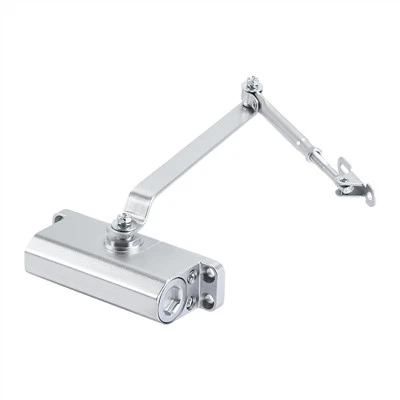
If you’d like to discuss your project, don’t hesitate to reach out for a consultation.
Door Lock References
- Door and Hardware Institute. (2021). Commercial Door Hardware Compatibility Standards.
- National Fire Protection Association. (2022). NFPA 80: Standard for Fire Doors and Other Opening Protectives.
- Security Industry Association. (2020). Residential and Commercial Door Alarm Integration Best Practices.
- American National Standards Institute. (2019). ANSI/BHMA A156.4: Standard for Commercial Door Closers.
Jiangsu Wenzhong Lock Industry Co., Ltd.
As one of the most experienced door closer manufacturers and suppliers in China, we also support customized service. We warmly welcome you to wholesale bulk cheap door closer in stock here from our factory. If you have any enquiry about pricelist, please feel free to email us.
Address: Xiaoliang Industrial Park, Danyang City, Jiangsu Province
E-mail: Rongoo7@163.com
WebSite: https://www.wenzhonglocks.com/
