If you’ve ever wondered how the plastic parts in your car, the packaging that keeps your food fresh, or the rubber hoses in your home plumbing resist cracking, fading, and breaking down over time, there’s a good chance alkylphenol intermediates played a key role. As a supplier of these specialty chemical building blocks, I spend most days walking customers through exactly how our materials fit into the antioxidant supply chain—and why they’re far more than just another commodity chemical. Let’s break down their role, how it ties to the products we all rely on, and why working with a reliable alkylphenol intermediates supplier makes all the difference in final antioxidant performance. Alkylphenol Intermediates
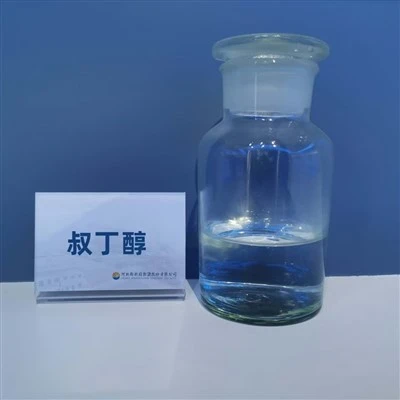
First, let’s ground this in why antioxidants matter. All organic materials—whether natural or synthetic—degrade when exposed to environmental stressors like heat, oxygen, light, and even mechanical stress. For polymers (plastics, rubbers, and elastomers), this degradation is especially visible: over time, a garden hose left in the sun turns brittle, a food storage container cracks when dropped, and a car’s dashboard fades and develops fine cracks. This process, called oxidative degradation, happens when oxygen reacts with the polymer’s molecular chains, breaking them apart into smaller, unstable molecules that cause the material to lose strength, flexibility, and appearance. Antioxidants are the frontline defense here: they interrupt these oxidation reactions before they can damage the polymer.
At the core of almost every high-performance antioxidant are alkylphenol intermediates. These are organic compounds with a phenol group (a benzene ring bonded to a hydroxyl, or -OH, group) and one or more alkyl chains—long, carbon-based chains of the kind found in petroleum products. The combination of the phenol group and the alkyl chains gives these intermediates unique chemical properties that make them ideal for antioxidant manufacturing. Let’s break down their specific roles, starting with the most common type of antioxidant: phenolic antioxidants, which are the most widely used in the industry, accounting for roughly 60% of all antioxidant demand.
Phenolic antioxidants work by donating a hydrogen atom to unstable free radicals, the highly reactive molecules formed during oxidative degradation, neutralizing them before they can attack polymer chains. The alkyl groups on the phenol intermediate are critical here: they make the final antioxidant compatible with non-polar polymers like polyethylene and polypropylene, which are the most common plastics in the world. Without those alkyl chains, the antioxidant would be polar, meaning it wouldn’t mix evenly with the polymer matrix. It would leach out over time, leaving the material unprotected, rather than staying embedded to provide long-term defense. That’s where our alkylphenol intermediates come in: we control the length and branching of the alkyl chains to match the specific polymer the customer is working with. For example, shorter branched alkyl chains work best for polyethylene, while longer linear chains are preferred for polyvinyl chloride (PVC) and rubber products.
But phenolic antioxidants aren’t the only type that relies on alkylphenol intermediates. Phosphite antioxidants, another major category, use alkylphenol intermediates as key building blocks too. Phosphite antioxidants work as secondary stabilizers, complementing primary phenolic antioxidants by breaking down the hydroperoxides (another byproduct of oxidation) that phenolics can miss. Many high-performance phosphite antioxidants, like tris(nonylphenyl) phosphite (TNPP) or bis(2,4-di-tert-butylphenyl) pentaerythritol diphosphite (known as DPG or Ultranox 626), are synthesized directly from alkylphenol intermediates. In these cases, the alkyl groups not only improve compatibility but also adjust the antioxidant’s volatility. Low volatility is essential for high-heat applications, like engineering plastics used in automotive parts, where high processing temperatures would cause unstable antioxidants to evaporate during manufacturing. Our intermediates are formulated to have consistent molecular weight, which translates directly to the low volatility customers need for their final products.
Another often-overlooked role of alkylphenol intermediates is enabling custom antioxidant formulations. The demand for specialty polymers, like bioplastics, high-temperature engineering plastics, and flexible packaging films, has grown dramatically in the last decade, and these materials require tailored stabilizers. For bioplastics made from polylactic acid (PLA) or polyhydroxyalkanoate (PHA), which are naturally prone to degradation due to their ester bonds, we supply alkylphenol intermediates with specific alkyl chain lengths that balance compatibility with the biopolymer’s structure and antioxidant activity. Unlike generic antioxidant suppliers, who rely on off-the-shelf raw materials, we work directly with antioxidant formulators to adjust the purity of our intermediates: even a 1% difference in residual unreacted phenol can cause discoloration in final light-colored plastic products, so our intermediates are refined to have less than 0.1% impurity levels, a critical detail for customers making white or translucent food packaging.
This purity point leads to another key advantage of working with a reliable alkylphenol intermediates supplier: consistent performance across production batches. Antioxidant manufacturing is a multi-step chemical process, and any inconsistency in the starting intermediate will ripple through to the final stabilizer. For example, if an intermediate has a higher amount of linear alkyl chains instead of branched, the final antioxidant might have 20% lower activity in outdoor applications, where resistance to UV light and heat is critical. We’ve seen this happen first-hand: a customer who switched to a low-cost, unvetted intermediate supplier saw their final antioxidant failed a 1,000-hour weathering test by 30%—costing them thousands of dollars in rejected product and missed delivery deadlines. That’s why we prioritize strict quality control at every stage of our intermediate production, from feedstock selection to final testing, to ensure every batch meets the exact specifications our antioxidant customers require.
It’s also important to address a common question we get: are alkylphenol intermediates safe, and do their antioxidants meet regulatory requirements? For years, there has been some regulatory scrutiny on certain nonylphenol-based alkylphenols, but the industry has shifted to safer, linear alkylphenols (like dodecylphenol) and tert-butyl-based intermediates that are fully compliant with EPA, REACH, and FDA standards for food contact materials. As a supplier, we invest heavily in testing to ensure our intermediates meet all global regulatory guidelines, so our customers can use our materials without worrying about costly product recalls or compliance issues. For example, our dodecylphenol intermediates are approved for use in food packaging that comes into contact with fatty foods, a requirement that many other suppliers struggle to meet due to lower purity.
Let’s put this all into a real-world example. Take flexible PVC, which is used in everything from children’s toys to medical tubing. PVC is highly susceptible to thermal degradation during processing, so it requires a mix of primary and secondary antioxidants. The primary antioxidant here is often a hindered phenolic antioxidant made from our tert-butylphenol intermediate, while the secondary phosphite antioxidant uses our bisphenol-based intermediate. The combination of these two, made from our high-quality alkylphenol intermediates, allows the PVC to be extruded into tubing without breaking down, and it keeps the tubing flexible and non-brittle for 10+ years, even when exposed to body heat and disinfectants in medical settings. Without our intermediates, the antioxidant blend would be unstable, and the PVC tubing would crack within a few months of use.
Another example is automotive exterior plastics, like bumpers and body panels. These parts need to resist UV light, high heat from the engine bay, and road debris for at least 5 years. The antioxidant used here is a combination of a hindered phenol and a thioester, both synthesized from alkylphenol intermediates. Our branched alkylphenol intermediates give the final antioxidant excellent compatibility with polypropylene, the most common automotive plastic, so it doesn’t migrate to the surface and cause discoloration. This is why you won’t see faded, cracked bumpers on modern cars: the alkylphenol intermediate’s molecular structure ensures the antioxidant stays in the polymer, providing long-term protection.
For packaging, particularly frozen food packaging, antioxidants made from our alkylphenol intermediates prevent the plastic from becoming brittle after repeated temperature changes. Frozen food packaging is exposed to extreme cold when stored in freezers and mild heat during processing, so the antioxidant needs to work across a wide temperature range. The alkyl chains in our intermediates allow the final antioxidant to stay flexible, even at -20°C, while the phenol group provides the heat resistance needed during packaging manufacturing. This means the packaging doesn’t crack when it’s taken out of the freezer, keeping food fresh and safe.
Now, it’s worth noting that the role of alkylphenol intermediates is evolving as the industry shifts toward more sustainable materials. As the demand for circular polymers and biodegradable plastics grows, antioxidant formulators are looking for intermediates that are not only effective but also have a lower carbon footprint. We’ve invested in a line of bio-based alkylphenol intermediates, made from sustainable feedstocks like vegetable oils, that deliver the same performance as traditional petroleum-based intermediates but with 30% lower greenhouse gas emissions. This allows our antioxidant customers to meet their own sustainability goals, without sacrificing the performance their end products need.
At the end of the day, every product that relies on antioxidants depends on the quality of the intermediates that go into them. It’s easy to overlook the small building blocks, but a high-quality alkylphenol intermediate can make the difference between an antioxidant that lasts 2 years and one that lasts 10, a product that passes regulatory tests and one that gets recalled, a customer that meets their delivery goals and one that loses revenue.
If you’re an antioxidant formulator, polymer manufacturer, or brand owner looking for a reliable alkylphenol intermediates partner, we’re here to help. We work with customers of all sizes, from small custom antioxidant shops to large global polymer producers, to provide tailored intermediates, consistent quality, and technical support every step of the way. Whether you’re looking to switch to a more reliable intermediate supplier, need help adjusting your antioxidant formula, or want to explore sustainable bio-based intermediates, we can connect you with the experts who understand your needs. Reach out today to learn more about how our alkylphenol intermediates can improve your final products’ performance and reliability.
Olefin Raw Materials References
- Gächter, R., & Müller, H. (2000). Plastics Additives Handbook (5th ed.). Hanser Publishers.
- Zweifel, H. (2005). Stabilization of Polymers and Stabilizer Processes. Springer.
- EPA. (2021). Chemical Hazard Assessment: Alkylphenols and Alkylphenol Ethoxylates. U.S. Environmental Protection Agency.
- REACH Regulation (EC) No 1907/2006. (2022). Annex XIV and Annex XVII: Authorisation and Restriction of Substances. European Chemicals Agency.
- Wypych, G. (2019). Handbook of Antioxidants (3rd ed.). ChemTec Publishing.
Hebei Xinxinyuan Energy Co., Ltd.
Hebei Xinxinyuan Energy Co., Ltd. is one of the most professional alkylphenol intermediates manufacturers and suppliers in China, featured by quality products and good price. Please rest assured to wholesale customized alkylphenol intermediates made in China here from our factory.
Address: Zhongjie Industrial Park, Huanghua City, Cangzhou City, Hebei Province, China
E-mail: atl2066@qq.com
WebSite: https://www.xinxinyuanfr.com/
