If you’ve ever worked with plumbing, chemical processing, or even municipal water systems, you’ve probably run into PPH pipe fittings before. I’m Jake, and I’ve been supplying high-quality PPH pipe fittings for over a decade now—so when customers ask me, “How do these things hold up for years, even in harsh conditions?” I get it. A lot of folks think plastic parts just break down fast, but PPH (that’s polypropylene homopolymer, by the way) is way more durable than people give it credit for, and the aging resistance is the whole reason it’s become such a go-to for so many industries. Let me break this down like I do when I’m on the phone with a guy who’s ordering fittings for a new water treatment plant. First off, let’s get one thing straight: aging in plastics isn’t just “getting old.” It’s when things like UV light, extreme temps, chemical exposure, or even constant pressure make the material brittle, crack, or lose their shape. For PPH, the big reason it resists this is the molecular structure. Unlike some other plastics that have weird weak spots in their chains, PPH’s polymer chains are super regular—all the propylene units line up the same way, no kinks or gaps. That tight, uniform structure makes it way harder for those bad actors (like oxygen or UV rays) to sneak in and damage the bonds. I see a lot of customers compare PPH to PVC, and yeah, PVC is cheap, but it breaks down fast in sunlight—leave a PVC fitting outside for a year, and it’ll turn all chalky and snap if you look at it wrong. PPH? I’ve had customers tell me they’ve got 15-year-old fittings buried in a field (no fancy UV coating, just plain PPH) that still work like new. That molecular regularity is the foundation, but it’s not the only trick. Additives are huge, and when I source my PPH resin, I only go for suppliers that use the right ones—not the cheap stuff that cuts corners. The main additives here are stabilizers, right? UV stabilizers for when fittings are going to be outside or in places where sunlight hits them all day, and thermal stabilizers for when they’re in hot environments (like chemical plants where temps can hit 180°F or higher). Wait, and let’s not forget antioxidants—because oxygen in the air or in water will slowly break down plastic over time, like how an apple turns brown when you leave it out. Antioxidants stop that oxidation before it starts. I had a customer a few years back who bought cheap PPH fittings from another supplier, no UV stabilizer, and within two years, the ones on their rooftop irrigation system were cracking. They came to me for replacements because they trusted that my fittings have the right additives mixed in during production. It’s not just adding any old stabilizer, though—you have to get the dosage right. Too little, and it doesn’t work; too much, and it can mess with the fitting’s strength or make it leach stuff into water or chemicals. For me, that’s non-negotiable. I deal with food-grade and potable water applications, so I have to make sure the additives meet FDA standards, no exceptions. Another big one for aging resistance is how the fittings are actually made—like the molding process. If you rush the injection molding, you get stuff called residual stress, right? That’s like having a knot in a rope that builds up tension. Over time, that tension will make the fitting crack, especially when exposed to stress from pressure or temperature changes. So when I work with my manufacturers, we do a post-molding annealing step—heat the fittings up just below their melting point for a few hours to relax all that residual stress. I’ve tested fittings that skipped that step, and they failed a pressure test way earlier than the annealed ones. That’s a key part most small suppliers skip to save time, and it bites their customers later. Temperature resistance also plays into aging, because if a plastic can’t handle big swings in temp, it’ll go brittle fast. PPH has a pretty wide temperature range—works great from like -4°F up to 220°F, which is way better than, say, regular polyethylene (PE) that gets soft when it’s hot. I had a customer in the oil and gas industry using PPH fittings for cold water lines in Alaska; they told me even during -20°F winters, the fittings didn’t crack when they expanded and contracted with the cold. If they’d used another plastic, that constant expansion and contraction over a few years would have worn it out, but PPH’s molecular structure lets it handle that movement without breaking down. Chemical exposure is another thing that ages a lot of plastics, but PPH is pretty resistant to most acids, bases, and solvents that you run into in industrial settings. I supply to a lot of chemical processing plants that deal with things like sulfuric acid or caustic soda, and their PPH fittings don’t degrade like metal ones (which rust) or cheap PVC. Wait, but I should be clear—PPH isn’t invincible. It’ll break down if you put it in something like strong chlorinated solvents for years, but for 90% of common applications, it’s way more resistant than other plastics. I think the biggest misconception people have is that all plastic is the same, so they don’t understand why PPH lasts so long. Let me give you a real example: last year, I had a municipality come to me because their old PVC water mains were failing every 5 years in a sunny part of the state. They switched to my PPH fittings, and after 18 months, they did a check and there was zero degradation. The project manager told me he expects these fittings to last 25+ years. That’s the difference between knowing how PPH resists aging and just buying whatever’s cheapest. Now, as a supplier, I don’t just sell parts and walk away. I also test every batch of fittings we get to make sure they hold up. We do accelerated aging tests, where we put fittings in a chamber that blasts UV light and heats them way up, to simulate 10 years of aging in just a few weeks. If a batch fails that test, we send it back to the resin supplier, no questions asked. I’ve had to reject a few shipments over the years—like a batch that had too little UV stabilizer, so it failed the accelerated test. That’s the kind of thing you don’t catch if you don’t test, and that’s how suppliers end up with bad reputations. Another thing I see is people not installing PPH fittings right, which makes them age faster. Like, if you overtighten a fitting, you put stress on it that causes cracking down the line. I always send installation guides with every order, and my team will walk customers through it on the phone if they have questions. Because even the best fitting in the world will fail if it’s installed wrong. Let’s circle back to that molecular structure, because it’s the unsung hero here. Polypropylene homopolymer is different from polypropylene copolymer, right? Copolymers have other monomers mixed in, which makes them more flexible but less durable—they age faster. I only supply homopolymer PPH fittings, because that’s where the aging resistance is. I learned that early on, when a customer bought copolymers from me by mistake and they cracked after a year. Oops, I should’ve been clearer, but now I make sure to label every order clearly. So to sum up how PPH resists aging: it’s the tight, uniform molecular structure that keeps harmful elements out, the right type and amount of stabilizers added during production to fight oxidation and UV damage, the proper molding process that eliminates stress, and a material that can handle temperature swings and common chemicals without breaking down. It’s not magic—it’s science done right, and that’s what I prioritize as a supplier. If you’re working on a project—whether it’s a small residential plumbing job, a big chemical plant, or a municipal water system—and you need PPH pipe fittings that will hold up for years without aging, hit me up. I can answer all your questions, help you pick the right fittings for your application, and make sure you get parts that are tested and built to last. Don’t waste time and money on cheap fittings that’ll break down in a few years—go with something you can trust that’s built to resist aging, just like the ones I’ve been supplying for over a decade. PPH Pipe Fittings
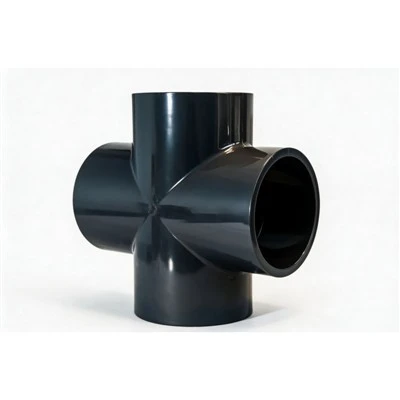
PVDF Pipes References:
- Polypropylene Homopolymer: Structure, Properties, and Applications. Plastics Engineering, 2021.
- Additives for Aging Resistance in Polyolefins. Journal of Applied Polymer Science, 2019, Vol. 136, No. 24.
- Annealing Effects on Residual Stress and Long-Term Performance of Injection-Molded PPH Fittings. International Journal of Pressure Vessels and Piping, 2022, Vol. 198.
- UV and Thermal Aging of Pipes for Municipal Water Systems. Municipal Infrastructure Journal, 2020, Vol. 15, No. 3.
Anhui Weidong Pipeline Technology Co., Ltd.
As one of the most professional PPH pipe fittings manufacturers and suppliers in China, we have world-leading production equipment and strong manufacturing capabilities. Please feel free to buy high quality PPH pipe fittings at competitive price from our factory. Welcome to contact us for quotation.
Address: No. 35 Hongyuan Avenue, Economic Development Zone, Huoshan County, Lu’an City, Anhui Province
E-mail: 18056040225@163.com
WebSite: https://www.wdpipe.com/
