If you’ve ever stood in a machine shop and watched a part come off a lathe with perfectly machined screw threads, chances are a threaded cutter was the star of the show. I’ve been in this business for 12 years, and I’ve lost count of how many times customers walk into our shop or shoot me an email asking, “Wait—there are different types of threaded cutters?” Most people don’t realize that not all cutters are created equal, and picking the wrong one can turn a $5 raw aluminum part into scrap faster than you can hit the start button on a CNC mill. Threaded Cutter
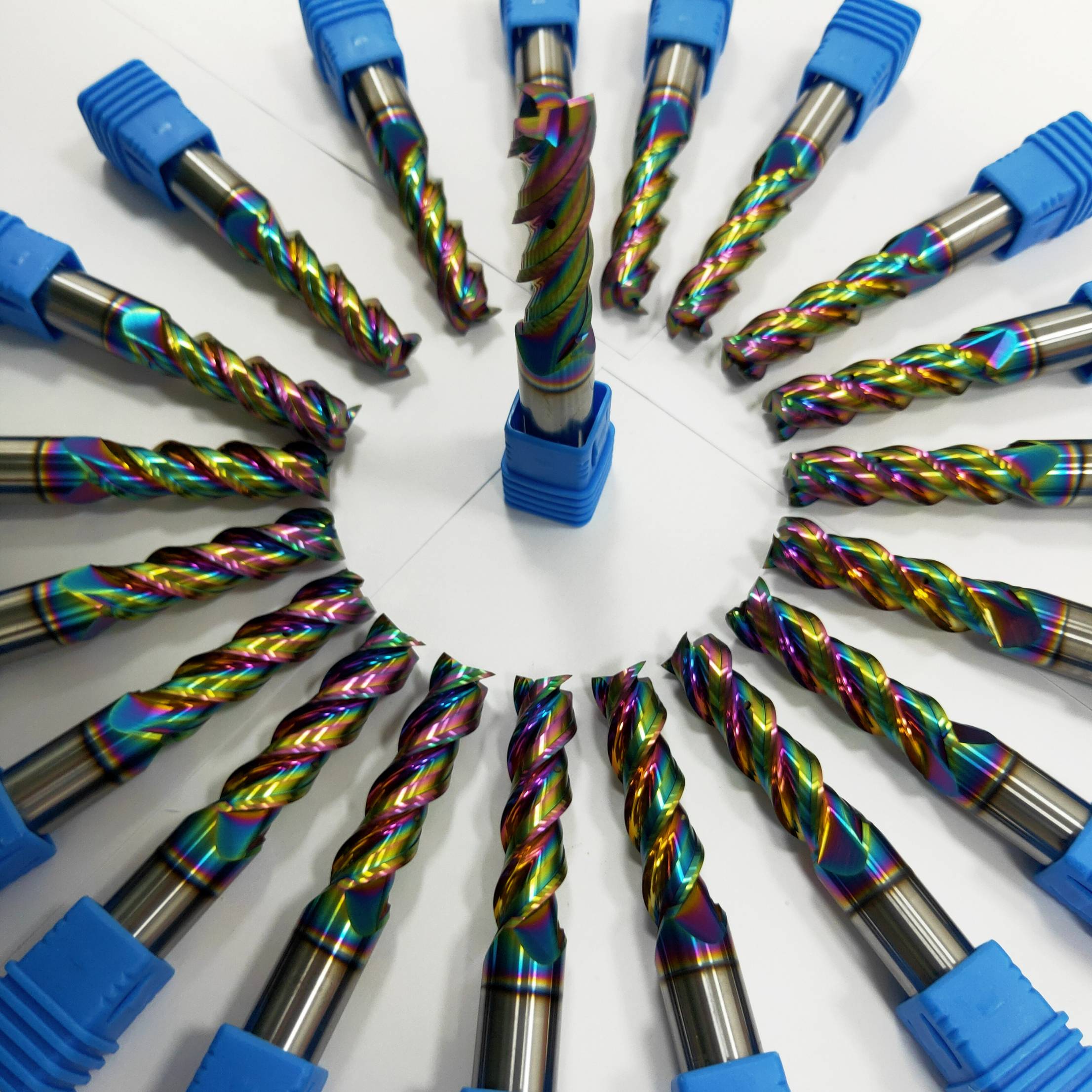
Let’s start with the basics: what a threaded cutter does, for anyone new here. A threaded cutter is a specialized cutting tool designed to machine internal or external threads onto a workpiece—whether that’s a bolt for an airplane wing, a medical implant screw, or even a simple pipe fitting. The right cutter cuts clean, consistent threads that fit perfectly with mating parts; the wrong one results in rough edges, inconsistent pitch, or threads that strip after the first use. Over the years, I’ve worked with everything from old-school hand-operated cutters to high-precision CNC-specific ones, and each type has its own niche, pros, and best-use cases. Let’s break down the main types you’ll encounter in any manufacturing setting, and when each makes sense for your project.
First up, and probably the most common for small to mid-volume jobs, is the thread tap. Taps are internal threaded cutters, meaning they carve threads inside a hole. I remember my first week on the job, my supervisor made me practice tapping 10mm holes in mild steel until I could get a perfect, burr-free thread every time. Taps come in three primary styles that work together for most projects: taper taps, plug taps, and bottoming taps. Taper taps have a tapered tip that eases them into the hole—they’re the go-to for starting threads in blind holes (holes that don’t go all the way through the workpiece) because the taper gradually leads the tool without jamming. Plug taps, sometimes called intermediate taps, have a shorter taper, so they work for deeper holes or when you need to thread most of the way to the bottom of the hole. Bottoming taps have almost no taper at all, designed to thread all the way to the bottom of a blind hole, making them essential for parts where the full thread length is required.
Now, don’t make the mistake of thinking all taps are the same material. For soft materials like aluminum or plastic, we use high-speed steel (HSS) taps that stay sharp without overheating. For hard materials like stainless steel or titanium, we use cobalt taps or even solid carbide taps—those ones cost more, but they cut through tough materials without wearing out, which saves you money in the long run on replacement tools. A few years back, a customer tried using an HSS tap to thread a titanium part for a hydraulic valve, and snapped the tap right off. We had to drill it out and re-tap the hole, which cost them more than buying the right tap for the job. That’s the kind of misstep we see all the time, so matching the tap material to your workpiece is non-negotiable.
Next on the list: thread dies, the external counterpart to taps. While taps carve threads inside a hole, dies cut threads on the outside of a cylindrical workpiece—think bolts, studs, or pipe nipples. Like taps, dies come in several types, depending on the job. The most common are adjustable round dies, which are circular, split tools that let you adjust the diameter of the thread slightly. These are great for small shops or jobs where you might be working with slightly varying bar stock diameter, since you can tweak the die to get a perfect fit. For larger volume or precision work, we also have solid round dies, which are non-adjustable, made from a single piece of steel, and offer more consistent thread quality than adjustable ones. There are also hex dies, which are shaped like a hex nut and work with a standard wrench, making them perfect for on-site repairs or jobs where you don’t have a die stock handy. I keep a set of hex dies in my toolbox for quick fixes on shop equipment, and they’ve saved me hours of downtime more times than I can count.
Now, for high-volume, CNC-manufactured parts, we move into the more specialized end of threaded cutters: thread mills. Taps and dies work great for small runs, but when you’re making 10,000 identical engine bolts, a thread mill is the tool you want. Thread mills are rotating cutting tools that move along a helical path to cut threads, and they can be used for both internal and external threads. The big advantage here is flexibility: a single thread mill can cut multiple thread sizes, as long as they have the same pitch, by adjusting the CNC program. That’s a huge cost saver for shops that make multiple parts with similar thread specs. Thread mills also produce cleaner, more precise threads than taps in hard materials, because they remove material in small, controlled cuts instead of pushing the material (the way taps and dies do, which can lead to work hardening). I worked with a aerospace customer last year who was tapping titanium landing gear bolts, and they were getting 20% scrap rate from work hardening. Swapping to thread mills cut their scrap rate to under 2%, and they’ve been using them ever since for all their titanium thread work.
Another type of thread cutter that’s gaining a lot of traction lately, especially in medical and automotive manufacturing, is the form thread cutter. Unlike taps, dies, and thread mills which cut material away from the workpiece (called “chip-forming” cutters), form cutters deform the material to create threads. That means no chips, which is a big deal for parts where chip contamination is a risk—like medical implants, where a tiny chip of steel could cause an infection. Form cutters work best on soft, ductile materials like aluminum, brass, and mild steel, and they produce threads that are stronger than cut threads because the grain structure of the metal isn’t disrupted. The downside is they don’t work on hard materials, and they require more force to deform the metal, so they’re not ideal for thin workpieces that might warp under pressure. I’ve used form cutters for making brass fittings for the plumbing industry, and they produce threads that are so smooth, you barely need to use thread sealant on them. They’re also great for small, intricate parts where chip evacuation would be a nightmare—like the tiny screws used in hearing aids.
Wait, I can’t forget about die heads and tap holders, right? Those aren’t exactly cutters, but they’re essential tools that pair with threaded cutters, especially for high-volume production. Die heads are multi-tool holders that let you use multiple dies at once, so you can thread a whole bolt in one pass, instead of going back and forth. They’re used on automatic lathes and screw machines, and they’re a game-changer for production runs. Tap holders, on the other hand, have features like float compensation that let the tap align slightly with the hole, preventing tap breakage in CNC machines. I’ve seen a $50 tap holder save a customer thousands of dollars in broken taps and scrapped parts, so they’re worth mentioning even if they’re not the cutter itself.
Now, let’s talk about how to pick the right threaded cutter for your job, because that’s the part I get asked about most. First, ask yourself: internal or external threads? That narrows it down to taps or dies, or thread mills if it’s a high-volume CNC job. Next, what material are you working with? Hard materials like stainless steel, titanium, or hardened steel? You need solid carbide or cobalt cutters, avoid HSS unless it’s a very soft material. Blind holes (holes that don’t go all the way through) vs. through holes? That determines if you need taper, plug, or bottoming taps. Volume is another big factor: small runs for prototypes? Hand taps or adjustable dies work fine. 10,000+ parts? Thread mills or die heads will be faster and more consistent.
Over 12 years in this business, I’ve seen customers waste so much time and money buying the wrong cutter because they didn’t take these factors into account. Last year, a small machine shop came to us with a batch of 500 aluminum bike handlebar stems that needed internal threads for the clamp bolt. They’d been trying to use a generic HSS tap they bought online, and were snapping three out of every five taps, not to mention getting rough, inconsistent threads. We recommended a high-quality HSS-E tap designed specifically for aluminum, and paired it with a tap holder with float compensation. They got 100% thread success on every part, and saved hundreds of dollars on replacement taps. That’s the kind of win we live for here.
If you’re new to working with threaded cutters, or if you’re having trouble with thread quality, scrap rates, or tool costs, don’t hesitate to reach out. We’ve worked with everyone from one-person prototype shops to large aerospace manufacturers, and we can help you pick the right cutter for your specific job—no pressure, just honest advice. Whether you need a single tap for a small job or a bulk order of thread mills for a production run, we have the products and the expertise to get it right. We’ve seen too many projects go wrong because of a bad threaded cutter, and we want to help you avoid that.
Wait, before I wrap up, let me just make sure I didn’t miss any key types. There are also specialized cutters for specific applications, like pipe thread cutters, which are designed to cut standard NPT or BSP threads for plumbing, and metric thread cutters for European or metric-sized parts. Those are just variations on the taps, dies, and thread mills we already talked about, but they’re worth noting because standard pipe threads are a whole separate niche. Pipe thread cutters, for example, have a taper that creates a leak-proof seal, which is essential for plumbing or hydraulic lines— you can’t use a regular straight tap for that, it won’t create the right seal.
At the end of the day, threaded cutters are the backbone of almost every manufacturing industry, from aerospace and automotive to medical and plumbing. Knowing the types, their uses, and matching them to your job isn’t just about getting a good thread—it’s about saving time, reducing scrap, and making parts that last. After all, a bolt that works today is better than one that strips after two uses, and that starts with the right cutter.

If you’re not sure which threaded cutter is right for your project, or if you’d like to discuss bulk orders, custom tooling, or just get more info on our product line, we’re here to help. Our team has years of hands-on experience working with these tools every single day, and we’ll walk you through every step to make sure you get exactly what you need. Don’t let a bad threaded cutter derail your next project—reach out to us today to start your procurement conversation.
Special-shaped Cutting Tools References
Machining Data Handbook. (2020). Industrial Press Inc.
Threading Fundamentals for Manufacturing. (2022). American Society of Mechanical Engineers (ASME).
Metal Cutting Tools: Selection and Application. (2019). SME (Society of Manufacturing Engineers).
Kunshan Zhiyi Dingli Cemented Carbide Tool Co., Ltd.
We are one of the most professional threaded cutter manufacturers and suppliers in China, also support customized service. We warmly welcome you to wholesale high quality threaded cutter made in China here from our factory. If you have any enquiry about cooperation, please feel free to email us.
Address: No.80 Chuangfu Road, Qiandeng Town, Mondragon Industrial Park, Kunshan City, Suzhou, Jiangsu, China.
E-mail: 2060056236@qq.com
WebSite: https://www.kszydl.net/
