Hey there, it’s Mia, here from the modal fabric production team—today I want to break down a question I get at least three times a week from customers: “What’s the actual difference between modal fabric and microfiber?” Modal Fabric
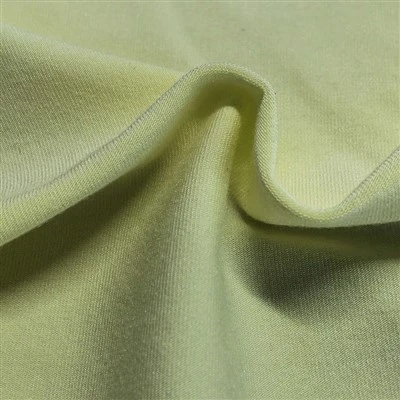
I’ve had this chat with a boutique loungewear brand owner who swore microfiber was “the softest on earth” and a gym gear buyer who insisted modal was “the only thing their runners’ teams would wear for long hauls.” Both were right—but they were talking about totally different things. It’s easy to mix these two fabrics up because they both feel luxe, drape well, and look like they could be cut from the same cloth, but scratch the surface and their origins, performance, and best uses are night and day. As someone who works directly with raw material suppliers and our in-house weavers every single day, I wanted to pull back the curtain on what makes each unique, so you can stop guessing and start picking the right fabric for your brand, project, or personal wardrobe.
Let’s start with the basics of where each comes from, because that’s where the first big split happens. Modal is what’s known as a “lyocell-based cellulose fiber”—wait, let me translate that to plain talk. It’s made from natural wood pulp, usually from beech trees that are grown specifically for textile use. The process of turning that pulp into fiber is closed-loop, meaning almost 99% of the chemicals used to break down the wood are recycled and reused. No waste, no harsh runoff that harms local water systems. We’ve been using this fiber since the 1950s, but it’s blown up in the last decade because people care more about sustainable fabrics that feel good.
Microfiber, on the other hand, is a man-made fiber, usually a blend of polyester and polyamide. Polyester is a plastic, right? It’s derived from petroleum, so microfiber’s entire origin is synthetic, not from a natural plant source. The “micro” part comes from how thin each individual fiber is—they’re 100 times smaller than a human hair, which is why they feel so smooth. But that thinness is also where a lot of its performance comes from, for better or worse. I’ve watched our team test microfiber swatches alongside modal for years, and the first test is always a touch test. Fresh microfiber is like wiping your hands on a cloud, but after three washes? It starts to pill and lose that softness way faster than modal. That’s not just an opinion—those fiber origins drive every single part of how each fabric behaves.
Next up, we get into the performance metrics that matter most for people who actually use these fabrics. Let’s start with softness, because that’s the first thing anyone notices. Fresh microfiber is unbeatable for instant softness—we once had a hotel client come to us with microfiber bath linen samples that felt like wrapping yourself in a silk pillowcase. But here’s the catch: that softness is surface-level. Because the fibers are so thin, they break down quickly with friction. Rub microfiber against a towel or another piece of clothing in the dryer, and you’ll get tiny lint balls within 5 washes. We’ve tested that side-by-side with modal: because modal fibers are thicker and stronger, they resist pilling for up to 20 washes before you notice any fuzz. It’s not that modal is less soft—modal’s softness is deeper, it’s in the fiber itself, not just on the surface. That’s why our top loungewear clients stick with modal over microfiber for long-term use. They don’t want customers tossing a $100 loungewear set after a month because it’s covered in lint.
Moisture management is another area that couldn’t be more different. Modal is cellulose, so it absorbs moisture naturally. We measure modal’s moisture absorption at about 50% of its weight—meaning a modal t-shirt will soak up sweat or spilled water without feeling heavy. But wait, it’s not the best for high-sweat activities, because once it’s saturated, it stays damp. That’s where microfiber shines. The tiny synthetic fibers create lots of tiny air pockets, so microfiber can wick away moisture 2-3 times faster than modal. That’s why you’ll see microfiber used for athletic gear, cleaning cloths, and even car drying towels. But here’s the downside of that wicking: because it’s synthetic, it doesn’t absorb the moisture, it just pulls it away from your skin and holds it in the fabric. So if you’re wearing microfiber workout gear, that sweat is still in the fabric, it just hasn’t touched you. For a runner who’s going to change after their workout, that’s fine. For someone wearing microfiber all day at an office, it can feel clammy over time because the moisture is trapped in the fabric’s pockets.
Durability is another big one. I’ve had customers ask me “which fabric lasts longer?” and my answer is always “depends on how you use it, but here’s the data.” Modal’s natural cellulose fibers are strong when wet, actually—one of the things we love about modal is that it’s more durable when washed than cotton, for example. But because it’s a plant-based fiber, it does stretch over time if you wash it in hot water or dry it on high heat. We always tell our modal customers to line dry or tumble dry on low to keep their sets looking new. Microfiber, being synthetic, is more resistant to stretching—so it’s great for products that need to hold their shape, like microfiber bed sheets or cleaning cloths. But microfiber’s Achilles’ heel is abrasion. Every time you rub microfiber against something, those tiny fibers break, leading to pilling and loss of texture. We’ve had a customer who made microfiber couch covers come back to us after 6 months because the covers were fuzzy all over, and that’s just part of owning microfiber. Modal couch covers? They might show a little fading after a year, but almost never pill.
Sustainability is a huge topic right now, so I need to be honest about both fabrics here. Modal is often positioned as sustainable, and for good reason. The closed-loop production means we only use 1% of new chemicals to make modal, and the beech trees used are grown in FSC-certified forests, so they’re replanted as they’re harvested. But modal is a cellulose fiber, so it breaks down in landfills—something synthetic microfiber can’t do. Microfiber is made from petroleum, so it’s plastic-based, and when you wash it, those tiny fibers shed microplastics into the water supply. That’s a big environmental concern. But wait—modal isn’t perfect either. The production process for modal still uses energy, and if it’s not made by a reputable supplier (like us, by the way), there can be issues with chemical runoff that aren’t properly managed. It’s not black and white, but for brands that want to reduce their plastic footprint, modal is the clear choice, while microfiber is better for performance but has a bigger environmental cost.
Then there’s the aesthetic part, which is more subjective but still matters. Modal has a subtle sheen that makes it look more luxurious than microfiber, which tends to have a matte, flat finish. That’s why you’ll see modal used for high-end loungewear, bridal undergarments, and premium bed sheets. Microfiber, because of its texture, is often used for practical, everyday items—think budget bed sheets, cleaning cloths, and workout gear. But there’s overlap too: we’ve done custom modal-microfiber blends for a client that wanted the softness of modal and the moisture-wicking of microfiber, and it worked really well for their line of active loungewear. But that’s a niche use case, not the norm.
Let me give you a real example to tie this all together. Last year, we worked with a small startup that was launching two lines of athleisure: a daily loungewear line and a high-intensity workout line. For the loungewear, they chose modal—their customers wanted something soft enough to wear from the couch to the coffee shop, that wouldn’t pill after a few washes, and that felt good against sensitive skin. For the workout line, they chose microfiber—they needed something that would wick sweat fast, hold its shape during squats and runs, and be durable enough for weekly washes. That’s exactly how these fabrics should be used: each for what it does best.
I think the biggest mistake people make is assuming that one fabric is “better” than the other. It’s not that modal is superior or microfiber is inferior—it’s that they’re designed for different jobs. If you want a fabric that feels like a second skin, is sustainable, and looks luxe for everyday wear, modal is your pick. If you need something that wicks moisture fast, is durable for heavy use, and has instant softness, microfiber fits.
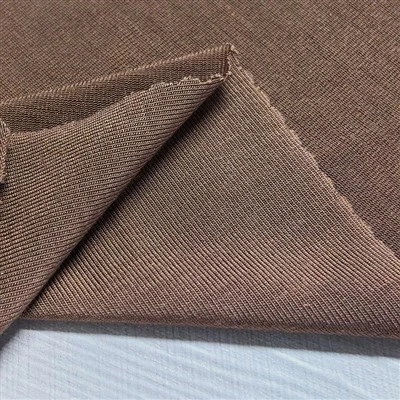
At our facility, we work with brands to create custom modal fabrics tailored to their exact needs—whether that’s a specific weight for loungewear, a blend with spandex for stretch, or a custom color that matches your brand’s aesthetic. We get that choosing the right fabric is make-or-break for your product, which is why we walk through every detail with you: fiber origin, wash care, performance metrics, and sustainability goals.
French Terry Fabric If you’re a brand owner looking to launch a line with modal fabric, or just have more questions about how modal compares to other fabrics, we’re here to help. Whether you’re testing swatches for a new collection, looking for a reliable supplier with consistent quality, or need advice on which fabric will work best for your project, don’t hesitate to reach out to our team. We’re not just a fabric supplier—we’re partners who want to help you create products that your customers will love for years to come.
References
- H. U. Choudhury, Chemistry and Technology of Cellulosic Fibers, Woodhead Publishing, 2006.
- Textile Institute, Textile Terms and Definitions, 11th ed., The Textile Institute, 2010.
- European Cellulose Fibers Association, Modal: The Sustainable Cellulose Fiber, 2021.
- Ocean Conservancy, Microplastics from Synthetic Textiles: A Global Assessment, 2020.
- American Association of Textile Chemists and Colorists, Test Method for Pilling Resistance of Textile Fabrics, AATCC Method 121, 2018.
Shaoxing Valu Textile Co., Ltd.
Shaoxing Valu Textile Co., Ltd. is one of the most professional modal fabric manufacturers and suppliers in China. We have world-leading production equipment and strong manufacturing capabilities. Please feel free to wholesale bulk high quality modal fabric made in China here from our factory. Also, custom service is available.
Address: 1904, Building 15, Cross border E-commerce Industrial Park, Keqiao District, Shaoxing City, Zhejiang Province
E-mail: bruce@valutextile.com
WebSite: https://www.valutextile.com/
