If you’ve ever driven past a construction zone and spotted that massive, swinging arm hovering over a pile of steel beams or a half-built building, chances are good you’ve seen a mobile crane at work. As someone who supplies these machines day in and day out, I get asked all the time—what exactly do you use mobile cranes for, anyway? They’re not just those scary big machines that block the road for an hour. No, they’re the unsung workhorses of every construction project, from tiny residential home builds to 50-story skyscraper developments. And let me tell you, without them, most of the projects we take for granted would never get off the ground. Mobile Crane

First off, let’s cut through the confusion between mobile cranes and other types of heavy equipment. A lot of folks mix them up with tower cranes, but here’s the thing: tower cranes stay bolted to a jobsite for months (even years), designed to lift heavy stuff straight up and down for long periods. Mobile cranes? They’re built to go from one site to another under their own power—no transport trailer required, usually. Some are mounted on truck chassis so they can hit highways at 65 mph, others are crawler-mounted for rough, muddy terrain that’d bog a regular truck down. That versatility is why they’re my best sellers, honestly. Because every project’s needs are different, and being able to move fast means no downtime, no extra costs for renting transport to haul big equipment.
Let’s start with the big stuff: commercial skyscraper construction. When we’re working with general contractors on a 40-story office tower, the first thing they need isn’t just steel beams—it’s the ability to get those 50-foot, 10,000-pound beams up to the 15th floor before the tower crane is even fully assembled. That’s where a rough-terrain mobile crane comes in. We recently had a gig in downtown Austin where the site was tight—surrounded by existing buildings and narrow side streets. Our 50-ton truck-mounted mobile crane slid into a spot barely 10 feet from the sidewalk, lifted a 8,000-pound steel column straight up to the 12th floor in 2 minutes, and was gone before the local traffic cops even had time to give us a heads up about parking. I’ve heard other suppliers talk about tower cranes being the go-to for high-rises, but mobile cranes are the prep team that makes the whole project possible. They set up the tower crane’s base, lift the crane’s own massive components into place, and even help with finishing touches like putting up glass panels on upper floors when the tower crane’s reach is too far or the site’s layout has changed.
Residential construction is another huge market for us, and it’s way more varied than you might think. For a typical single-family home, you don’t need a 100-ton crane—our 25-ton truck-mounted models are perfect here. A lot of new home builds have trusses for the roof that are 60 feet long and weigh 1,500 pounds each. Putting those up by hand would take a crew of 5 guys 8 hours, but with a mobile crane? We can have all 20 trusses up in 3 hours flat, no extra labor, and zero risk of injury (let’s be real, lifting a 1,500-pound wooden beam is a recipe for back injuries if you try to do it manually). Then there are custom luxury homes with stone facades or large pool structures. Last month, we had a customer building a $2M home in Colorado Springs that had a 30-foot, 2,000-pound natural stone fireplace being delivered in two separate pieces. The only way to get those pieces through the front door was to lift them onto the second floor’s balcony and lower them into the living room. Our small crawler-mounted mobile crane fit through the 8-foot-wide driveway, spun around in the backyard, and got the job done without scratching the new landscaping or knocking over a single pine tree. That’s the stuff mobile cranes do that no other machine can.
Then there’s infrastructure work, which is probably the most underrated use for mobile cranes. When a state or city is building a new bridge or widening a highway, you need heavy lift equipment that can handle both large structural components and tight, uneven job sites. For bridge construction, precast concrete girders are the backbone—each one can be 100 feet long and weigh 40,000 pounds. We recently worked on a bridge project in Tennessee that had the girders delivered right to the middle of the construction zone, which was a narrow spot between two rivers. Our 80-ton crawler mobile crane had to be assembled on-site, and once it was up, it lifted each girder into place in 5 minutes, no mistakes. If we’d used a fixed crane, we never would’ve been able to get into that spot because it was too close to the river’s edge. Highway projects also use mobile cranes to move guardrail, light poles, and even temporary barriers. Think about how often you drive past a construction zone and see a huge light pole being installed—more than likely, a mobile crane put it up. And since those projects often have tight deadlines (state contracts usually require work to be done fast to minimize traffic delays), being able to move the crane from one section of the highway to another in 20 minutes instead of 2 hours is a game-changer for keeping the project on schedule.
Wait, let’s not forget about specialty lifts, too. That’s where mobile cranes really shine because they can handle jobs that require precision, not just raw power. For example, installing HVAC units on top of a hospital or school—you can’t have a huge crane swinging a 10,000-pound unit too fast because there are people walking around below, plus the unit has to be placed exactly on a small pad 100 feet in the air. Our cranes come with load moment indicators that tell the operator exactly how much weight they’re lifting, how far they can swing, and if they’re getting too close to a power line. That’s not just safety stuff—it’s about getting the job done right. We also do a lot of work with wind turbine maintenance. The blades on a wind turbine are 150 feet long and weigh 15,000 pounds each. When a blade needs to be replaced, you can’t just use a tower crane because the turbine is often in a remote area with rough terrain. A crawler-mounted mobile crane can drive to the turbine site, assemble quickly, lift the old blade off, and lower the new one into place in a matter of hours. I’ve had customers tell me that without our mobile cranes, wind turbine maintenance would take days instead of a few hours, and that saves them thousands of dollars in downtime.
I know a lot of people outside the construction industry think mobile cranes are just for lifting heavy stuff, but that’s not true—they’re also used for demolition work. When you’re tearing down an old building, you need to remove the largest, heaviest parts first, like concrete slabs or steel frames, and mobile cranes can lift those pieces onto trucks to be hauled away. What’s cool is that some newer mobile cranes have remote control operation, so the operator can stand far away from the demolition site and make precise lifts, which is way safer than having someone in the cab near falling debris. We had a demo project in Detroit last year where an old factory was being torn down, and our remote-controlled mobile crane lifted a 20,000-pound concrete beam from the upper floor, swung it around, and set it straight onto a dump truck—no mistakes, no damage to nearby buildings. That kind of precision is only possible with a mobile crane that’s easy to maneuver and can be operated with extra safety features.
Now, let’s talk about why choosing the right mobile crane matters for your project. I see a lot of customers trying to cut corners by renting a crane that’s too small for the job, or not the right type, and that leads to delays, extra costs, even safety issues. For example, if you’re trying to lift a heavy steel beam on a steep hillside, a truck-mounted crane might not have enough traction, but a rough-terrain crawler crane will. If you’re working in a tight urban spot with narrow streets, a compact truck-mounted crane is better than a huge 200-ton model that can’t fit through the gaps. That’s why I spend time with every customer, walking through their project plans, figuring out exactly what kind of lifts they’ll need, how big the loads are, what the terrain is like, and even how much access they have to the site. I don’t just sell a crane— I help them pick the right one so their project stays on schedule, on budget, and safe.
I also want to touch on safety, because that’s a big part of what goes into operating a mobile crane, and why we only supply cranes that meet the latest safety standards. Operators have to be licensed, they have to do daily checks before every lift, and our cranes have features like anti-two-block systems (so the load doesn’t hit the top of the arm), load monitoring, and even wind sensors that shut the crane down if it’s too windy to lift. Construction sites are risky, and mobile cranes are a big part of keeping things moving, but only if they’re used correctly. We offer training for operators, too, because even the best crane won’t work if the person running it doesn’t know what they’re doing.
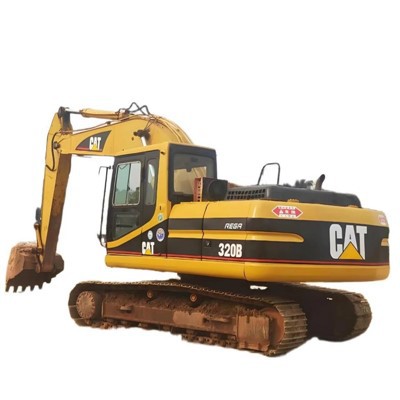
At the end of the day, mobile cranes are the backbone of almost every construction project you can think of. They build the homes we live in, the offices we work in, the bridges we cross, and the energy infrastructure that powers our communities. They’re versatile, fast, and precise, which is why you can’t complete a big construction job without one. If you’re planning a construction project right now—whether it’s a small home build, a commercial development, an infrastructure project, or something else entirely—you need to make sure you have the right mobile crane for the job. I’ve helped hundreds of customers pick the right crane, avoid costly mistakes, and get their projects done on time. If you’re curious about which crane would work best for your project, or if you want to ask more about how mobile cranes can help your construction goals, I’d love to chat. We can go over your site, your load requirements, and figure out the best solution for you.
Wheeled Excavator References:
- Construction Equipment Association. (2022). "Mobile Cranes: Applications and Safety Standards in Modern Construction." CEA Technical Report.
- National Asphalt Pavement Association. (2021). "Infrastructure Construction: The Role of Mobile Heavy Lift Equipment." NAPA Quarterly Journal.
- Occupational Safety and Health Administration. (2023). "Crane Safety in Construction: Mobile Crane Requirements and Best Practices." OSHA Publication 3512-19R.
- Wind Energy Infrastructure Association. (2022). "Mobile Crane Use in Wind Turbine Maintenance and Installation." WEIA Technical Brief.
- Residential Construction Manufacturers Association. (2021). "Efficiency Gains in Residential Construction Using Mobile Cranes." RCMA Industry Report.
Best Heavy Industry (Shandong) Co., Ltd.
Best Heavy Industry (Shandong) Co., Ltd. is one of the most professional mobile crane manufacturers and suppliers in China, featured by quality products and good price. Please rest assured to buy cheap mobile crane made in China here from our factory. Contact us for more details.
Address: 100 meters west of the residential area of Sanli Company, Quanpu Town, Liangshan County, Jining City, Shandong Province
E-mail: louise@sanlitrailerparts.com
WebSite: https://www.trustmytruck.com/
