Hey there, if you’re running a café, restaurant, or even a busy home kitchen, you know stainless steel gear is total workhorse—right? It’s durable, looks sleek, and holds up through crazy daily use. But let’s be real: cleaning it wrong turns that shiny, professional look into streaky, fingerprint-y mess, or even worse, leaves it dull and prone to rust. I’ve been in the stainless steel kitchen equipment game for like 8 years now (full transparency, I’m from that supplier team that’s stocked every kind of stainless steel thing you can think of—grills, prep tables, steam tables, even small wares like mixing bowls), and I’ve seen so many people mess this up. No fancy, overcomplicated tricks here, just science-backed, no-BS steps that actually work, plus the mistakes I’ve watched folks make again and again. Let’s dive in. Stainless Steel Kitchen Equipment
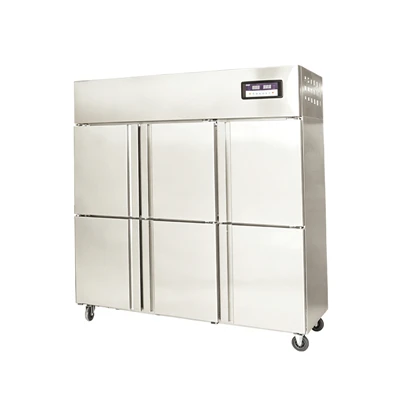
First off, before we grab any rag or spray, let’s talk about the actual “why” behind cleaning stainless steel. That shiny surface isn’t just pretty—it’s a thin layer of chromium oxide that sticks to the steel, creating a barrier against corrosion and stains. Mess with that layer wrong, and boom—you’re left with dull spots or even permanent damage. A lot of people skip this part, so they end up grabbing harsh chemicals first, which strip that protective layer over time. That’s the #1 mistake I see. So rule #1: always match your cleaner to the mess, and don’t overdo the elbow grease.
Let’s start with everyday, light cleaning—this is what you should be doing after every shift, right? No deep scrubbing needed here, just keeping things fresh. Most of the time, you’re dealing with food residue, light grease, or maybe some water spots from washing dishes. My go-to for this is warm water and a mild, pH-neutral dish soap. Wait, pH-neutral matters? Yeah, because stainless steel hates super acidic or super alkaline stuff. If you use something like drain cleaner or bleach (we’ll get to that later), that’s a one-way ticket to dull city. So grab that regular Dawn or whatever mild stuff you use for dishes, mix a little with warm water, grab a soft microfiber cloth—old rags or paper towels leave lint and cause scratches, trust me. Here’s the pro move: wipe WITH the grain of the steel, not against it. Every stainless steel piece has a super fine, almost invisible grain line (think of it like wood grain, but way smaller). Scrubbing against it leaves tiny scratches that build up over time, making the surface way more likely to hold grime and look dull. That’s a game-changer I taught my team when we install new equipment for clients. Once you’ve wiped the mess away, rinse with clean warm water, and dry immediately with a separate microfiber cloth. Water dries and leaves hard water spots, especially if you’re in a hard water area. I’ve had a client who skipped the dry step on their 6ft prep table for 2 weeks, and now they have those white, crusty spots that won’t budge. Don’t be that client.
Now, what about grease that’s been sitting a little longer—like, end-of-day grime that’s caked on, or that bacon grease splatter that’s been on your range hood since yesterday? For that, you need a little more oomph, but still not something crazy. A lot of people jump to industrial degreasers, but those are often too strong and will strip that chromium oxide layer if you use them every day. Instead, make a DIY paste: baking soda and warm water, mixed to a spreadable consistency. Baking soda is gentle abrasive—way softer than steel wool or scouring pads—and it cuts through grease without scratching, as long as you don’t press super hard. Apply the paste to the caked-on mess, let it sit for 5-10 minutes (don’t let it dry completely, though—if it does, spritz a little water), then wipe with the grain, rinse, dry. If that’s not enough, you can add a tiny drop of dish soap to the mix, but keep it simple. I once had a line cook at a local diner tell me they used Comet (which is harsher, by the way) on their grill grates, and within 6 months, the grates were pitting so bad food stuck no matter what. Stick to baking soda for grease; it’s the sweet spot.
Now, the stuff that makes most people panic: hard water spots, fingerprint smudges, maybe even light rust spots? Wait, wait—light rust? Yeah, if you leave water sitting on stainless steel, especially if it’s got small scratches, the iron in the water can start to rust. Don’t freak out, that’s fixable. For hard water spots and light rust, the go-to is white vinegar. It’s acidic, but mild enough that if you use it correctly, it won’t hurt the steel. Important note: never use vinegar if you’ve already used a soap or cleaner that’s alkaline—wait like 10 minutes, because vinegar reacts badly with leftover alkaline stuff and can leave streaks. Here’s how to do it: fill a spray bottle with half water, half white vinegar, spritz the spot, let it sit for 1-2 minutes (no more—longer acidic exposure starts to break down that protective layer), then wipe with the grain, rinse, dry. I keep a little spray bottle of this under the sink for my own kitchen at home, and it takes those white spots off my stainless steel fridge in 2 seconds. For fingerprint smudges, which are super common on all that shiny equipment, especially in front-of-house areas, a microfiber cloth sprayed with a tiny bit of rubbing alcohol works great. It evaporates fast, doesn’t leave streaks, and cuts through oil from fingers without any residue. Just don’t spray the alcohol directly on the equipment—spray it on the cloth, that way you don’t get any liquid seeping into seams or electrical parts on things like steam tables or commercial mixers. That’s another mistake: spraying liquid directly onto power equipment. I always tell my clients, if it’s plugged in, never spray cleaner directly on it; wipe the cloth damp (not soaking) and go.
Now, let’s talk about what NOT to do. This is the part that’ll save your gear from permanent damage. First: steel wool, scouring pads, Brillo pads—these leave tiny metal shavings on stainless steel, which will rust over time and leave those brown spots you can’t get rid of. I’ve seen that so many times, it’s not even funny. Even if you think “it’s not that hard,” skip it. Second: bleach and chlorine products. We get asked all the time if chlorine bleach is safe for sanitizing equipment, and yeah, in a pinch for deep sanitizing, but only if you rinse it super thoroughly and don’t use it regularly. Long-term use breaks down the chromium oxide layer, leading to dullness and pitting. Third: oven cleaners. Those are super harsh, made for heavy gunk on ovens, and they’re way too strong for everyday stainless steel. They’ll eat through that protective layer and leave your equipment looking cloudy. Fourth: abrasive powders like Comet, Ajax, etc. Again, too harsh and can scratch the surface over time. Save those for porcelain or cast iron, not stainless.
Wait, what about deep cleaning—like when your whole commercial kitchen is closing for the night, or you’re doing a spring deep clean and want to get into every nook and cranny? For that, my team recommends disassembling (where possible) small parts: mixing bowls, cutting boards (wait no, the stainless ones, not wood), grate grates. Soak removable parts in warm, soapy water with a little baking soda for 15 minutes, then scrub gently with a soft brush. For larger, non-removable parts like prep table undersides or range backsplashes, use a damp microfiber cloth with a little pH-neutral soap, get into all the corners, then dry immediately. Pro tip for deep cleaning: if you’re dealing with burnt-on food on something like a grill or a fryer basket, fill the part with warm water and add a few tablespoons of baking soda, let it sit overnight. The baking soda breaks down burnt gunk so you just wipe it away in the morning, no scrubbing required. I’ve had restaurants do this and save hundreds in replacing fryer baskets that would’ve been tossed because of burnt residue.
Also, a quick note on maintenance to keep your stainless steel looking good longer. Wipe up spills as soon as they happen—especially acidic stuff like tomato sauce, vinegar, citrus juice. That stuff is acidic, and if it sits on stainless steel, it can etch the surface or cause discoloration. I once had a client who left a big pot of marinara on their stainless steel range top for 2 hours, and now there’s a faint yellow spot that never came out. Don’t let food sit. And every month or so, do a “polish” step to keep that shine. You can use a stainless steel specific polish (we sell these as part of our maintenance kits, by the way) or even a little olive oil on a microfiber cloth. Wait, olive oil? Yeah, a tiny amount—like 1 drop on a cloth the size of your palm—wiped with the grain, buffs up that shine and leaves a small protective layer to repel fingerprints and water spots. Don’t use too much, though, or it’ll leave an oily residue. I’ve been doing this on my personal stainless steel pots for years, and they look as good as new even after 10 years.
Now, let’s address the elephant in the room: rust spots. If you see a small, brown rust spot on your stainless steel, don’t panic. As I said earlier, that’s usually from iron particles left from water or tools. To fix it, make a paste of cream of tartar and a little hydrogen peroxide (not vinegar—wait, cream of tartar is gentle, abrasive enough to lift surface rust without scratching). Apply the paste to the spot, let it sit for 10 minutes, then wipe with the grain, rinse, dry. For larger rust areas, you might need a little more, but it’s still way better than replacing the whole piece. I had a client last year with a 5-year-old prep table that had a bunch of small rust spots from a water leak under the sink; we used this paste, and all spots were gone without damaging the table.
A quick side note for commercial vs home use: all these steps work for both, obviously, but commercial kitchen equipment takes way more daily abuse, so sticking to the routine is key. Home cooks often let the cleaning slide a little because it’s not as busy, but the same rules apply. Wipe with the grain, dry immediately, avoid harsh cleaners.
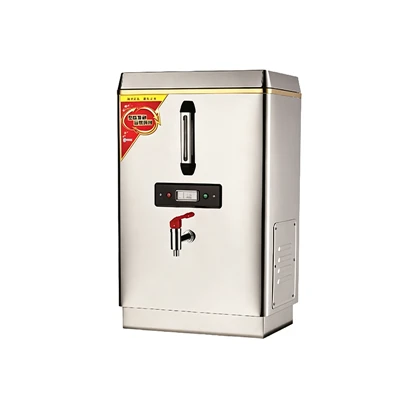
At the end of the day, stainless steel is an investment—whether you’re a small café dropping $2k on a prep table, or a home cook with a nice set of pots. Taking 5 minutes after each shift to clean it right saves you hundreds in replacement costs and keeps that professional, sleek look. If you’re in the market for new stainless steel kitchen equipment, or need more tips on maintaining the gear you already have, our team’s here to help. We’ve got everything from small wares for home kitchens to heavy-duty commercial gear for restaurants, and we can walk you through the best cleaning routine for your specific setup. Just reach out—we’re happy to chat about what works for your space, answer any questions, and make sure your stainless steel stays shiny for years.
Commercial Cooking Equipment References
- Food and Drug Administration (FDA). (2021). Cleanliness and Sanitation in Food Establishments. U.S. Department of Health and Human Services.
- Stainless Steel Development Association (SSDA). (2019). Guidelines for Cleaning and Maintaining Stainless Steel in Food Service and Kitchen Environments. SSDA International.
- National Sanitation Foundation (NSF). (2020). Standard 2: Food Equipment Materials. NSF International.
- American Cleaning Institute (ACI). (2022). Safe Cleaning Practices for Stainless Steel Surfaces. ACI Science Advisory Board.
Zhejiang Anneng Kitchen Equipment Co., Ltd.
As one of the most experienced stainless steel kitchen equipment manufacturers and suppliers in China, we also accept customized order. With abundant experience, we warmly welcome you to wholesale advanced stainless steel kitchen equipment in stock from our factory. For quotation, contact us now.
Address: No. 1003 Donghai Avenue, Taizhou Bay New Area, Taizhou City, Zhejiang Province
E-mail: 13968527240@163.com
WebSite: https://www.annengkitchen.com/
