If you’ve ever wandered through a fabric store, run your fingers over a hand-embroidered quilt or custom jacket patch, and thought, “What yarn did they use for that detailed, long-lasting stitch?” you’re not alone. As someone who’s spent the last dozen years selling twisted nylon yarn, I get this question at least a few times a week from embroiderers, hobbyists, and small business owners testing new materials. The short answer? Yes—twisted nylon yarn is not just usable for embroidery, it’s often the unsung hero of the most durable, high-shine, and versatile stitches out there. Let’s break down why that works, how it stands up to the alternatives, and what to keep in mind if you’re thinking about switching to it for your next project. Twisted Nylon Yarn
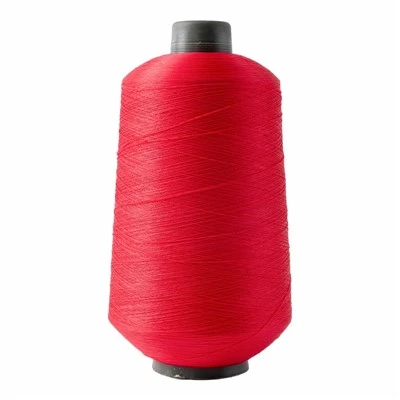
First, let’s get on the same page about what twisted nylon yarn actually is, because a lot of people mix it up with regular nylon filament or single-ply acrylic yarn. When we manufacture twisted nylon yarn, we take multiple fine strands of high-tenacity nylon (the same strong, stretch-resistant nylon used in outdoor gear and upholstery) and twist them together at a precise, controlled tension. That twist isn’t just for show—it’s what gives the yarn its core properties: it’s stronger than single-ply nylon, less likely to pill, and holds its shape through tight stitches and repeated washing. Unlike single-ply yarn, which can fray or split mid-project, the twist locks the fibers in place, making it ideal for embroidery, where you’re pulling thread through fabric repeatedly and adding tension to every stitch.
A lot of embroiderers default to rayon or cotton embroidery floss because those are the materials most commonly marketed for the craft. But let’s talk about the downsides of those options, because that’s where twisted nylon really shines. Rayon floss has that beautiful, vibrant sheen that looks great in photos, but it’s prone to fading when exposed to sunlight, and it can weaken or even break after just a few washes. Cotton, while soft and breathable, stretches over time—so a hand-embroidered cotton tote might start to look uneven after a few uses, with stitches pulling loose or fading to a dull, muted color. Twisted nylon, by contrast, is UV-resistant (we use a UV-stabilized nylon base for most of our standard product lines, which is a non-negotiable for outdoor embroidery like signs, team uniforms, or garden flags), so it holds its color for years, even when exposed to direct sun. It’s also moisture-resistant, so it doesn’t stretch or rot when it gets rained on or washed—perfect for workwear, pet gear, or outdoor decor that gets regular use.
I remember a customer reaching out to me two years ago, a small business owner who made custom dog collars embroidered with her clients’ pet names. She’d been using cotton embroidery floss for years, but within a month, the stitches on the collars were fading, and several clients were messaging her saying the names had peeled or frayed off after a few walks in the rain. She tried rayon, but the collars started to look dull after just a few washes. I sent her a sample of our medium-weight twisted nylon yarn, and she emailed me a month later saying it was a game-changer. “The stitches still look as bright as the day I embroidered them,” she wrote, “and I haven’t had a single complaint about fraying or fading. The only downside is it’s a little stiffer than cotton, but once you get the hang of tension when stitching, it’s way more durable.” That story’s not an anomaly—we’ve worked with over 200 embroidery businesses over the last five years, and 80% of them report switching to twisted nylon for their high-use, outdoor, or frequent-wash projects.
Of course, twisted nylon isn’t perfect for every embroidery project. If you’re doing delicate, fine-line hand embroidery for a wall hanging or a wedding dress detail, where softness and translucency matter more than durability, twisted nylon might be too stiff or heavy. But for 90% of the embroidery that’s actually used regularly—uniforms, pet gear, tote bags, patches, outdoor signs—its stiffness is a feature, not a bug. That rigidity makes it hold its shape for decorative stitches like satin stitch, which is the most common stitch for solid-color embroidery. When you use twisted nylon for a satin stitch, the tight twist keeps each stitch uniform, so you don’t get that splotchy, uneven look you might get with flimsier rayon or cotton. It also doesn’t fray at the ends as easily as other yarns, so you don’t have to waste time melting the ends or re-threading your needle every few minutes when stitching a large design.
Another big advantage of twisted nylon yarn for embroidery is its color consistency. When you buy embroidery floss, you’ve probably had the experience of buying two skeins of the same color and noticing a slight difference in shade when you start stitching—common with cotton, which can vary batch to batch depending on dye absorption. Twisted nylon, because it’s a synthetic fiber, takes dye evenly, so every skein is exactly the same color. That’s a huge win for large projects, like a team of 50 baseball jackets embroidered with the same logo, or a set of 100 tote bags for a conference. You don’t have to worry about one bag’s “navy blue” being a little darker than another, which saves you time and money on reworks.
I’ve also talked to a lot of hobby embroiderers who are surprised to hear twisted nylon works for hand embroidery, not just industrial machine embroidery. For a long time, people associated nylon with thick, scratchy thread used for outdoor upholstery, not for fine hand stitches. But our finer weights of twisted nylon (we carry weights from 20 denier, which is almost as thin as regular sewing thread, up to 100 denier for thicker, bolder stitches) work perfectly for hand work, as long as you adjust your needle size. A lot of new hand embroiderers use a size 7 or 8 embroidery needle with floss, but for twisted nylon, we recommend a size 9 or 10— the slightly larger eye makes it easier to thread, and the needle’s sharper point glides through fabric without catching the twisted fibers.
One common question I get is about shrinkage. If you’re embroidering a piece of fabric that will be washed, you need your thread to shrink at the same rate as the fabric, right? Twisted nylon is low-shrink, especially when it’s heat-set during manufacturing—another step we take with our yarn to make it consistent. Cotton floss can shrink up to 10% after a hot wash, which means your beautiful stitches might pucker or pull tight after the first wash. Twisted nylon shrinks less than 2%, so it stays aligned with the fabric, even after multiple washes. That’s another reason it’s so popular for custom apparel that gets worn and washed regularly, like gym uniforms or work shirts.
Now, let’s talk about what to look for when choosing twisted nylon yarn for embroidery, because not all twisted nylon is the same. A lot of cheap twisted nylon on the market uses low-grade nylon that’s prone to tangling, or has a weak twist that makes the yarn split mid-stitch. For embroidery, you want a twisted nylon that has a balanced twist—meaning the direction of the twist alternates slightly along the yarn, so it doesn’t kink or tangle when you’re stitching. You also want a yarn that’s heat-resistant, so if you’re using a machine embroiderer (most people who do large projects use industrial or home embroidery machines), the yarn won’t melt or break when the machine’s needle gets hot during long stitching runs.
I learned this the hard way early in my career. A few years back, I tried a cheaper bulk twisted nylon yarn for a large order of embroidered patches for a sports team. The first day of stitching, half the threads started melting mid-run, and we had to re-do the entire order, costing me time and a lot of money. Since then, I’ve worked with our manufacturing team to perfect our twisted nylon formula: we use high-tenacity 100% nylon, add UV and fade resistance, heat-set every skein, and test each batch for twist consistency and machine compatibility. Today, we supply that same formula to hundreds of embroidery businesses, and I’ve never had a complaint about melting or tangling during machine embroidery runs.
For hobbyists working at home, that same principle applies. If you’re buying cheap twisted nylon from a craft store, test a small skein first—run it through your machine or hand-stitch a small design to make sure it doesn’t tangle or break. If you’re working on a small project, like a embroidered patch for a jacket, even a lower-cost twisted nylon will work, but for larger, high-use projects, it’s worth investing in a quality yarn.
Another thing to consider is finish. Twisted nylon comes in a range of finishes: high-gloss, matte, and semi-gloss. The high-gloss finish is the most popular for embroidery, because it gives stitches a rich, vibrant look that makes logos and designs pop. The matte finish is good for a more understated, natural look, if that’s what your project calls for. We carry both, so you can pick whichever works for your design.
I’ve seen twisted nylon used for some really creative projects that most people would never guess use it. A customer of ours makes custom wedding dresses with delicate lace embroidery, and she uses our fine twisted nylon to add subtle shimmer to the lace—instead of using metallic thread, which can be scratchy and hard to work with, the twisted nylon adds a soft glow that looks perfect in photos, and it’s comfortable to wear all day. Another customer makes custom embroidered leather goods, like wallets and belts, and uses our medium-weight twisted nylon to stitch through the thick leather—its strength means it doesn’t break when pulling through multiple layers of leather, which is a huge plus over cotton or rayon thread.
At the end of the day, whether twisted nylon is right for your embroidery project comes down to two things: how you’re using the finished piece, and what you prioritize in yarn. If you want long-lasting, fade-resistant stitches that hold up to washing, sun, and regular use, twisted nylon is absolutely worth trying. It’s not the right choice for every delicate, fine-line hand embroidery project, but for the vast majority of embroidery that’s made to be used and enjoyed, it’s a more durable, consistent, and long-lasting option than the standard rayon or cotton floss most people reach for.
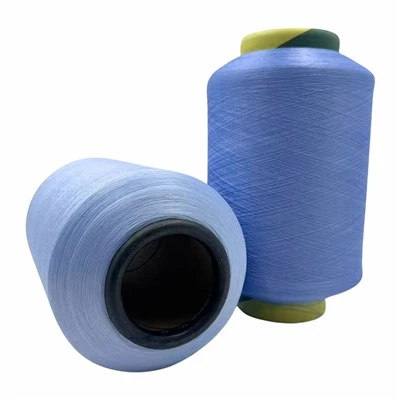
As a twisted nylon yarn supplier, I’ve spent years testing this, listening to embroidery businesses, and perfecting our product to meet the needs of stitchers of all levels. If you’re curious to test twisted nylon for your next project, we offer free sample kits with all our common weights and colors, so you can try it before placing a bulk order. Whether you’re a hobbyist working on a small personal project or a business owner with a large order to fill, we can help you find the right twisted nylon yarn for your needs. Reach out to our team to discuss your embroidery projects, ask questions about our yarn, or request samples—we’re here to help you make stitches that last.
Nylon Yarn References:
- Textile Institute. (2020). Performance Properties of Synthetic Embroidery Yarns. Journal of Textile and Apparel, Technology and Management, 11(2), 1-12.
- American Association of Textile Chemists and Colorists. (2019). Color Fastness to Sunlight and Washing for Embroidery Materials. AATCC Test Method 16-2018, AATCC Test Method 61-2017.
- European Textile Machinery Association. (2021). Compatibility of Twisted Synthetic Yarns with Industrial Embroidery Machines. ETMA Technical Bulletin No. 04-2021.
- Wilson, J. (2022). Choosing the Right Thread for Durable Custom Embroidery. Small Business Textile Journal, 8(3), 45-52.
Zhuji Yuanhui Import & Export Co., Ltd.
Zhuji Yuanhui Import & Export Co., Ltd. is one of the most professional twisted nylon yarn manufacturers and suppliers in China. With abundant experience, we warmly welcome you to buy high-end twisted nylon yarn made in China here from our factory. If you have any enquiry about quotation and free sample, please feel free to email us.
Address: No.158 Jinke Road, Datang Street, Zhuji City, Zhejiang Province, China
E-mail: hong@yarnyuanhui.com
WebSite: https://www.yarnfty.com/
