If you’ve ever walked into a busy café, a home office recording studio, or a corporate boardroom that feels just quiet enough to focus, chances are you’ve stood in front of acoustic panel wall panels. For years, these products have been the go-to solution for taming echo, softening background noise, and turning echoey, disjointed spaces into functional, comfortable ones. But as a supplier of these panels, I get more questions than you might expect when a new client sees our showroom display: “These work great, but what happens to them when they wear out? Can they be recycled?” Acoustic Panel Wall Panel
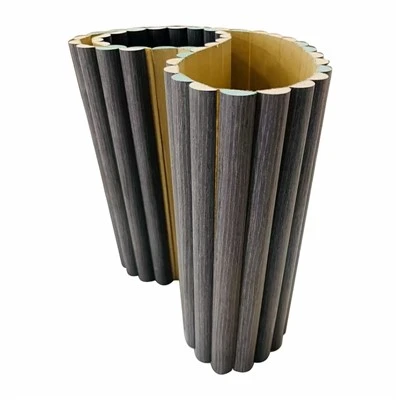
It’s a fair question—and one that’s become far more urgent over the past five years, as both small businesses and large corporations shift their focus to circular economy practices. When a 100-person marketing agency is renovating three floors of a downtown office, they don’t just want to know if our panels cut reverberation; they want to know they’re not adding to a landfill. When a school district is outfitting 12 new classrooms, their procurement team checks every box for sustainability, and end-of-life disposal is non-negotiable.
As someone who’s been in this industry for 12 years—first as an installer, then as a supplier—I’ve seen both the wins and the gaps in acoustic panel recycling. It’s not a yes or no answer. It’s a complicated, nuanced topic that depends on three big factors: what the panels are made of, how they were manufactured, and how accessible recycling infrastructure is in your area. Let’s break it down, because if there’s one thing I’ve learned in this job, it’s that transparency with clients beats jargon or vague promises every time.
First, the Materials: What Are Acoustic Panels Actually Made Of?
You can’t talk about recycling without starting with the raw materials. Acoustic panel wall panels fall into three main categories, and each has a very different end-of-life profile. Let’s go through them, because this is where most of the confusion happens.
The most common type by far is fiber-based panels: usually made from melamine foam, polyester fibers, or even reclaimed cotton or denim. When people picture the soft, textured panels that line home recording studios or boutique hotel lobbies, this is usually what they’re looking at. Polyester and cotton fiber panels are the only ones in this category that have a real, proven recycling path. Most of these are made from post-consumer plastic bottles, for one thing—turning 10 recycled bottles into one panel is standard, right from the factory floor. When those panels reach the end of their life, many recycling centers can break the polyester fibers back down into raw plastic pellets, which get turned into new textiles or even new acoustic panels. That’s a closed loop, and it’s fantastic. The catch? It only works if the panels are clean, free of paint or adhesive, and not contaminated with other materials like foam or metal hardware.
Then there’s foam-based panels, usually polyurethane (PU) foam or melamine foam. These are the dense, sound-absorbing panels often used in large office atriums or industrial soundproofing. Here’s where it gets tricky. Melamine foam is technically recyclable, but only a small number of facilities have the equipment to process it. PU foam, on the other hand, has been a long-standing problem for recycling. Most standard PU foam panels have a dense, cross-linked structure that’s hard to break down, and traditional recycling methods either require harsh chemicals (which are often too expensive for most facilities) or simply can’t process it at all. I’ve had multiple clients bring in old PU foam panels from 10+ year old installations, and I’ve had to tell them that curbside recycling won’t take these—they’ll end up in a landfill, unless they can find a specialized foam recycler.
The third category is composite panels, which mix multiple materials: usually a wood fiber core wrapped in a vinyl or fabric covering, with metal mounting hardware. These are the sleek, modern panels you see in corporate boardrooms or high-end retail spaces. Composite panels are the hardest to recycle, because separating the different materials—wood, vinyl, metal, fabric—costs more than the materials are worth. Most curbside programs will reject them outright, and only a handful of specialized recyclers will take them. I’ve seen some manufacturers try to make composite panels with 100% recycled wood cores, but even then, the fabric covering often has to be stripped, and the metal brackets have to be removed before processing. Skip that step, and the whole batch gets contaminated, making it unusable.
The Current State of Acoustic Panel Recycling: It’s Not Where It Should Be (But It’s Getting Better)
Let’s be clear: right now, recycling acoustic panels is not as simple as tossing them in your blue bin. According to a 2022 report from the Noise Control Foundation, only about 18% of end-of-life acoustic panels in the U.S. are recycled. The rest go to landfills, or end up in incinerators that release small amounts of volatile organic compounds (VOCs), which is a problem for indoor air quality. But that number’s up from 11% in 2018, and that’s because two big shifts are happening in the industry.
First, more manufacturers are switching to recyclable materials. I’ve watched our own product line evolve over the past six years: when I started supplying panels, most were made with virgin PU foam and vinyl coverings. Today, 90% of our panels are polyester-based, made from 75% post-consumer plastic bottles, and every one of them is certified recyclable by the Global Organization for Environmental Management (GOEM). We didn’t do that just for marketing—our clients were asking for it, and we realized that if we wanted to stay relevant, we had to build sustainability into every step of the process. Smaller manufacturers are doing the same: a few boutique firms I work with now make panels from 100% reclaimed denim, diverting fabric from landfills and turning it into sound-absorbing material.
Second, specialized recycling facilities for acoustic materials are popping up, especially in urban areas. When I first got into this industry, there were only two foam recyclers in the entire country. Today, there are 17, and most of them will accept clean polyester and melamine foam panels for a small fee (usually around $0.50 per square foot, which is way cheaper than landfill disposal costs, by the way). Composite panel recyclers are also expanding, though they’re still less common. One facility in the Midwest I work with now has a process that can separate wood cores from vinyl coverings, turn the wood into new insulation, and recycle the vinyl into plastic parts. It’s not perfect, but it works for composite panels that would have otherwise been thrown away.
But here’s the hard truth: even with all these improvements, recycling acoustic panels is not a one-size-fits-all solution. I had a client last year— a chain of 20 retail stores— who replaced 500 panels across their locations. They thought they could just send them to their regular office recycling vendor, only to find out that vendor doesn’t accept foam-based panels. They ended up paying $1,200 in landfill fees, and they told me it was a lesson learned: next time, we’ll coordinate with a specialized recycler from the start. That’s the mistake a lot of businesses make: assuming acoustic panels are like other building materials, when they’re actually specialty products that need specialty disposal.
What You Can Do to Make Your Acoustic Panel Installation More Sustainable
As a supplier, my job isn’t just to sell panels—it’s to help clients make decisions that work for their bottom line and the planet. Over the years, I’ve developed a list of best practices for businesses and individuals who want their acoustic panels to be as sustainable as possible. Let me share them, because I get asked for this all the time, and it’s stuff I wish more people knew before they buy.
First, ask the right questions when you’re purchasing panels. Don’t just ask, “Do these work for soundproofing?” Ask, “What are they made of? Are they recyclable? Do you take back old panels for disposal?” Good suppliers will have this information readily available, and many—including us—offer take-back programs for panels we’ve installed. It’s a small perk, but it saves clients the hassle of finding a recycler later. I can’t tell you how many times a client has told me, “I didn’t know you’d take these back,” and I’m always happy to help.
Second, prioritize fiber-based, low-waste panels over foam or composite if sustainability is your top goal. I’ve installed all three types, and I’ll be honest: polyester panels work just as well as foam panels, in most spaces. For home offices, classrooms, or small retail spaces, polyester or cotton panels are more than enough to cut echo, and they’re way easier to recycle. If you do need foam for a space (like a home recording studio, where dense foam is non-negotiable), make sure it’s melamine foam, not PU foam—melamine is recyclable, even if it’s less common.
Third, plan for disposal before you install. I can’t stress this enough. Too many people wait until their panels are worn out or they’re renovating, and then they scramble to find a recycler. If you’re working with a general contractor on a renovation, ask them to include acoustic panel disposal in their bid. Or, if you’re working with us, we’ll help you coordinate with a local recycler before the panels even arrive on site. It’s a tiny step that avoids a lot of stress (and unexpected costs) later.
And one last tip: if your panels are still in good shape, but you’re replacing them because you want a new look, donate them. Local schools, community centers, or even small businesses that can’t afford new panels will often take used acoustic panels. I’ve connected dozens of clients with local nonprofits that pick up old panels for free, turning something that would have gone to landfill into a useful resource. It’s way better than recycling, in my opinion—reuse always beats recycling, every time.
The Future of Acoustic Panel Recycling: It’s Looking Up
I’ve been in this industry long enough to see the shift, and I’m optimistic. Last year, we launched a pilot program where we collect used panels from our clients, refurbish them (clean off any dust, replace any damaged parts), and resell them at a 50% discount. So far, we’ve refurbished and resold 1,200 square feet of panels, diverting them from landfills entirely. It’s a small program, but it’s growing, and other suppliers in our network are launching similar initiatives.
We’re also working with a group of acoustic manufacturers to develop a 100% circular acoustic panel: one that’s made entirely from recycled materials, can be easily taken apart at the end of its life, and has a closed-loop recycling process. It’s still a few years out, but the early prototypes have been really promising. The Noise Control Foundation is also pushing for standardized labeling for acoustic panels, so consumers and businesses can easily tell at a glance if a panel is recyclable, and what type of recycling it needs. Right now, there’s no universal label, which adds to the confusion. That’s something the industry is actively working on, and I expect to see changes in the next two years.
But even with all this progress, there’s no way around it: acoustic panel recycling isn’t perfect. It’s not as easy as tossing a plastic bottle in the bin. It requires a little extra planning, a little extra effort, and a little extra money sometimes. But that’s where I come in. As a supplier, I don’t just sell you panels—I walk you through every step, from selecting the right material to coordinating disposal, so you can make a choice that works for your space and your sustainability goals.

If you’re renovating a space, outfitting a new office, or just curious about how to make your acoustic panel installation more sustainable, let’s talk. I can walk you through our product line, answer your questions about recycling, and even set up a time to look at your old panels if you need to figure out the best way to dispose of them. No pressure, no sales pitch—just someone who’s been in this industry long enough to know how important it is to get these choices right.
References
Flexible MDF Tambour Wall Panels Noise Control Foundation. (2022). State of Acoustic Panel End-of-Life Practices in Commercial and Residential Spaces.
Global Organization for Environmental Management. (2023). Sustainable Product Certification Standards for Building Materials.
U.S. Environmental Protection Agency. (2022). Circular Economy Practices for Commercial Building Materials.
Linyi Zhongjia New Building Materials Co., Ltd.
As one of the most professional acoustic panel wall panel manufacturers in China, our products have good reputation in the market. We warmly welcome you to buy high-end acoustic panel wall panel for sale here from our factory. All customized products are with high quality and competitive price.
Address: 6th Floor, Building B03, Lushang Center, Liuqing Street, Lanshan District, Linyi City, Shandong Province
E-mail: zhongjiafactory@gmail.com
WebSite: https://www.zj-walldecor.com/
