Hey there, if you’ve ever stocked up on permanent bag sealing tape for your warehouse, your small business, or even just the occasional packaging project, you’ve probably caught yourself wondering: how long does this stuff actually last? I get it—no one wants to buy a giant roll of tape, use half of it a year later, and find it’s turned into a sticky, crumbly mess that won’t stick to anything. As a permanent bag sealing tape supplier, I field this question all the time from folks stocking materials, shipping teams, and even crafters using it for large projects. Today, let’s break this down real, no-jargon style, no stuffy lab talk—just what you need to know, straight from someone who’s dealt with thousands of rolls leave the warehouse over the last decade. Permanent Bag Sealing Tape
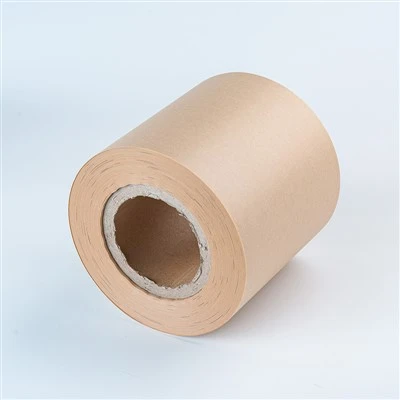
First off, let’s get the basics out of the way: I’m not talking about that cheap, flimsy packaging tape you grab at the dollar store that disintegrates in six months. This is permanent bag sealing tape—usually acrylic adhesive, polypropylene (PP) or polyvinyl chloride (PVC) backing, right? The kind we supply that’s meant for heavy-duty, long-term packaging: shipping pallets, food storage bags, retail product bags that need to hold up for months on store shelves, even industrial components that get sealed for storage. The shelf life here isn’t a random number we pulled out of thin air—it depends on a bunch of factors, and that’s probably the part most people don’t think about.
Let’s start with the sweet spot: how long it should last when stored correctly. For standard, unopened rolls of quality permanent bag sealing tape, that’s usually 12 to 24 months from the date of manufacture. Wait, hold on—why the big range? Let’s unpack that. Adhesive technology isn’t one-size-fits-all. Our acrylic-based permanent bag sealing tape, which is our best seller for food-grade and retail use, has a 18-month shelf life when stored right. The industrial-grade version, thicker, more resistant to temperature swings, that’s 24 months. The cheap stuff you see online that’s $5 for a giant roll? Don’t even get me started—its shelf life is more like 6 months max, if you store it perfect. But let’s be real, most of us don’t store tape on a perfectly temperature-controlled shelf, so that 12 to 24 month window is the upper limit for good rolls.
Now, here’s the thing that trips everyone up: shelf life is only part of the equation—storage conditions matter way more than most people realize. I’ve had a customer call me panicking because their tape “went bad” 8 months after buying it, and when I asked how they stored it? It was leaning against a concrete wall in their uninsulated warehouse, out in the sun through a window all day. Concrete is cold, it pulls moisture, and sunlight? UV rays are adhesive’s worst enemy. Same if you leave rolls in a hot truck in summer—temperatures over 80°F (27°C) start to break down acrylic adhesive, making it either too runny (it seeps off the roll) or too brittle (it cracks when you pull it). Humidity is another big one—too much moisture (like a basement that’s damp) makes the backing warp and the adhesive not stick, too little and it can dry out. The perfect storage spot? Cool, dry, consistent temperature (60 to 75°F / 15 to 24°C), away from direct sunlight, stacked flat or hung on a rack so rolls don’t get squished. Squishing a roll for months? That compresses the adhesive core, so when you go to use it, it doesn’t unwind evenly or sticks poorly. I always tell customers: if you open a roll and it’s stuck to itself in a big messy ball, that’s storage damage, not a manufacturing flaw.
What happens when tape goes past its shelf life? Let’s paint a real picture, not the technical descriptions. If it’s slightly past—say, you opened a roll that’s 25 months old from perfect storage—it’ll still work, but not as well. You might have to pull harder to unwind it, it might not seal tight enough on a heavy pallet, or it might peel off after a couple weeks instead of holding. If it’s way past, or stored badly? You’ll get that sticky, stringy mess when you pull it, or it’ll crack when you apply it, or it won’t stick at all—like you’re using a piece of plastic with no glue. I had a customer once use tape that was left in a loading dock over a winter, and their entire pallet of widgets came apart on the shipping line because the tape had turned into dust. That’s the stuff we warn against.
Wait, but what about once you open the roll? A lot of people ask this—does opening it cut down the shelf life? The short answer is barely, if you store the leftover roll properly. Once you cut it, just put the roll back on its core (or a tape dispenser, if you’ve got one) and seal the end with a little piece of leftover tape so it doesn’t stick to anything. Don’t leave it sitting out open for weeks—especially in a hot or humid place. I’ve seen a half-used roll left on a warehouse floor for a month, and it’s useless. But if you pop the lid on a dispenser, tuck the end, and store it right, that leftover tape will work just as well as new for another 6 to 12 months. There’s a catch here: if you’re using the tape for something that needs a super strong hold—like sealing a pallet that’s going to be shipped cross-country, or a food bag that’s stored for months—you want to stick to fresh tape. For quick, small projects, a little past is fine, but don’t risk it for big, important stuff.
Another question I get a lot: does temperature affect how long it lasts once it’s applied? Oh, absolutely. Permanent bag sealing tape isn’t magic. If you apply it to a package that’s going to sit in a freezer (-10 to 0°F / -23 to -18°C), acrylic adhesive works okay, but it might get a little brittle. If you apply it to a package that’s going to be in a desert warehouse over 100°F (38°C) for months, it might soften and come loose. That’s why we make different grades: our cold-temperature resistant version has a slightly modified acrylic adhesive that stays flexible in freezers, and our high-temperature grade is for hot storage areas. So even if you store the tape perfect, the application environment shortens how long the seal lasts. That’s not a “shelf life” issue, that’s a “using the right tape for the job” issue—something I always make sure to tell customers when they order, because it’s way more important than just how long the roll sits on your shelf.
Let’s talk about common myths, because I’ve heard them all. First myth: “Tape has an expiration date on it.” We don’t print an exact expiration date on every roll (most suppliers don’t) because conditions vary so much. What we do print is the manufacture date, and we calculate the shelf life from that. You can usually find that on the core of the roll, or the box it came in. Second myth: “Plastic backing tape lasts forever.” Nope—polypropylene and PVC break down over time, even in perfect conditions, just like any plastic. They get cloudy, brittle, and can crack, which makes the adhesive come off. Third myth: “If it sticks when you test it, it’s good.” That’s not true! You need to test it in the environment it’s going to be in. I’ve had customers test tape on a room-temperature piece of cardboard, and it sticks great, but when they put the same package in a 90°F warehouse for a week, it peels right off. Test in real conditions, not just your office.
Here’s what I tell all my customers when they order permanent bag sealing tape from us: first, figure out how much you actually need in the next 12 months. Don’t buy 500 rolls if you only use 100 a year—you’re just wasting money on tape that’ll go bad before you use it. Second, store it right: cool, dry, away from sun, stacked flat or hung, no squishing. Third, if you’re ordering for a big project or long-term storage, spring for the grade that matches your environment—freezer, hot warehouse, food-grade, whatever you need. Finally, if you’ve got a roll that’s been sitting for a while, test a small piece before you use it on something important. Stick it to a piece of the same material you’re sealing, leave it in your warehouse for a day, peel it off—if it doesn’t leave residue and doesn’t come off easy, it’s good. If it’s crumbly or falls apart, toss it.
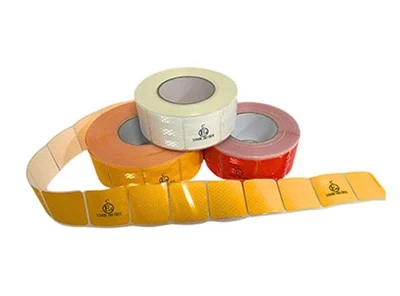
I’ve been in this business for 12 years, and I’ve seen it all: customers who hoard tape and end up with a garage full of useless rolls, customers who store it wrong and throw out hundreds of dollars of packaging, customers who ask me at 2pm on a Friday if we can rush a pallet of tape because their old rolls went bad. That’s why I’m always upfront about shelf life—no hidden fine print, no selling you more than you need. At the end of the day, permanent bag sealing tape is a product that’s supposed to make your job easier, not stress you out because you bought too much or stored it wrong.
Release Paper If you’re trying to figure out how much permanent bag sealing tape you need for your next order, or you’ve got questions about storage, grades, or how long your current rolls will last, hit us up. We don’t do pushy sales, we just give you the straight scoop so you get exactly what works for your business, no waste, no hassle.
References
- Surface Chemistry and Adhesion, Vol. 12, Academic Press, 2008.
- Packaging Materials Handbook, 2nd Ed., Wiley, 2015.
- Product Storage Guidelines for Pressure-Sensitive Tapes, Pressure-Sensitive Tape Council, 2020.
Jinrong New Materials Co., Ltd.
Jinrong New Materials Co., Ltd. is one of the most professional permanent bag sealing tape manufacturers and suppliers in China. With abundant experience, we are committed to providing high quality products made in China with competitive price. Please feel free to buy customized permanent bag sealing tape from our factory. Welcome to contact us for quotation and free sample.
Address: Guangde, Anhui Province Economic Development Zone Pengju Road 37
E-mail: lynn@sanlin-tech.cn
WebSite: https://www.jinrongliner.com/
